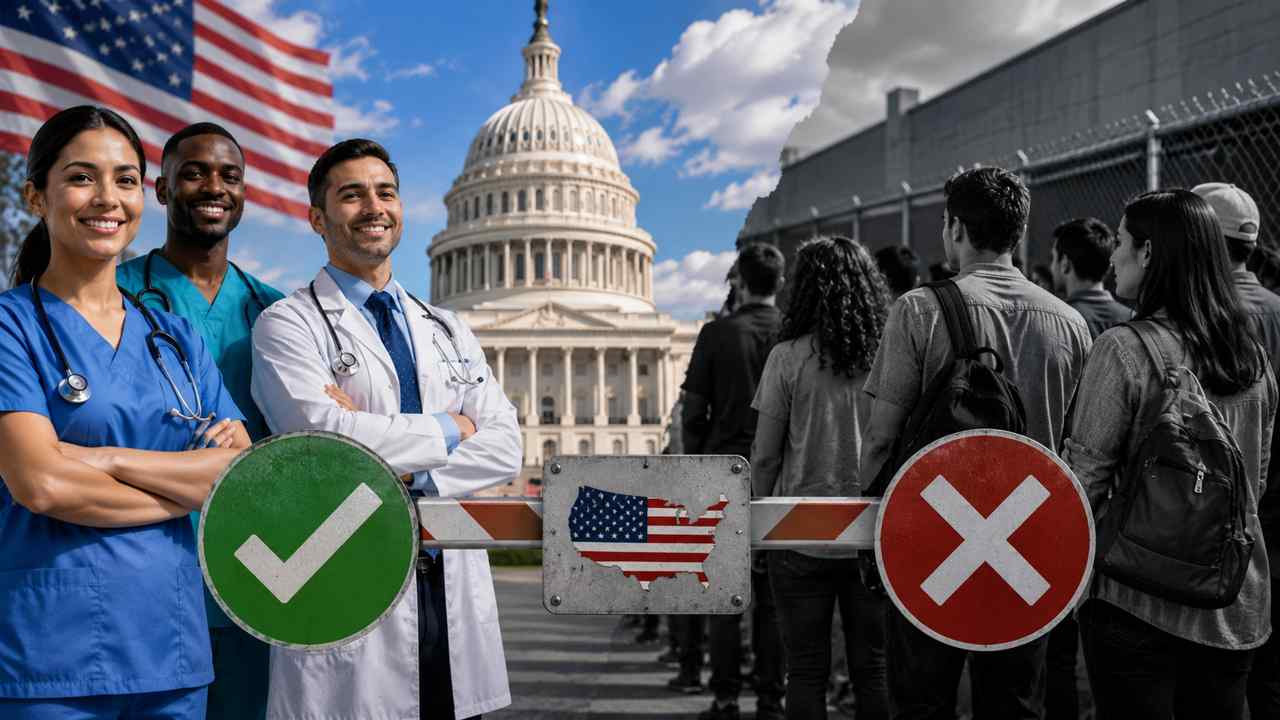
‘Nobody Should Live Like This’: Double Amputee Speaks Out on Georgia ICE Center
A double amputee formerly held at a Georgia ICE detention center is speaking publicly about alleged living conditions and medical care concerns inside the facility. Immigration advocates say the account is renewing scrutiny over detention standards and humanitarian protections.

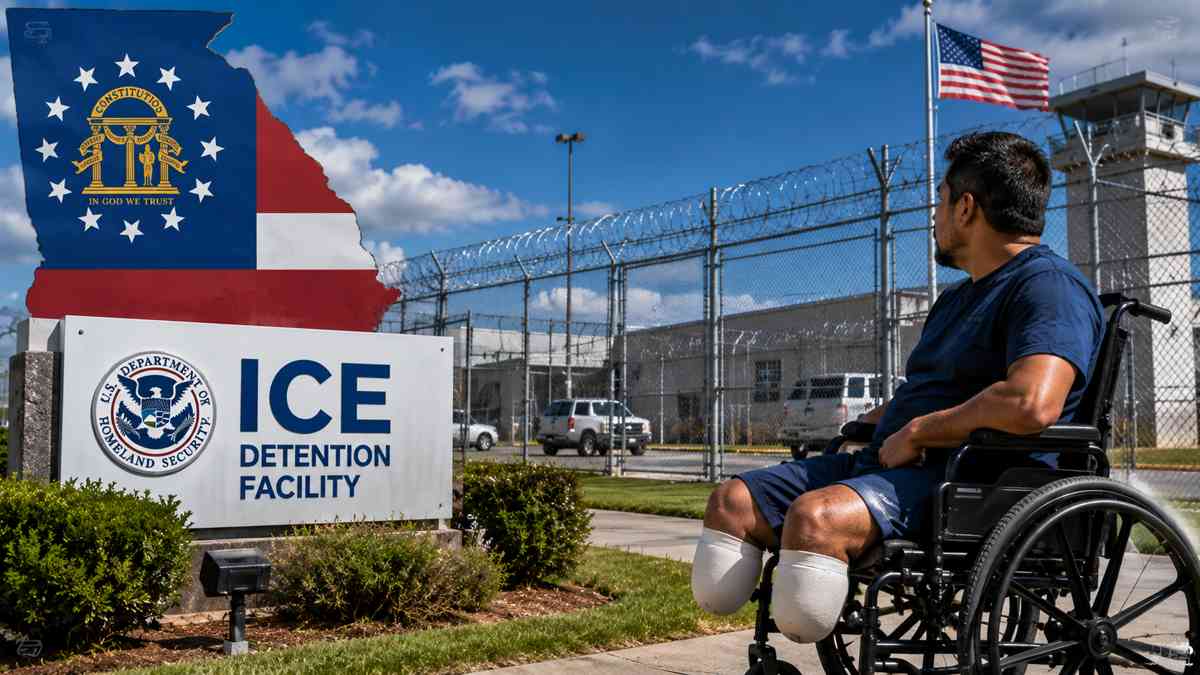
A heartbreaking account from inside a Georgia immigration detention center is drawing national attention after a double amputee detainee described the conditions as unbearable, saying, “Nobody should live like this.”
The emotional statement has sparked renewed debate over how medically vulnerable immigrants are treated inside facilities operated by U.S. Immigration and Customs Enforcement (ICE). Advocacy groups, attorneys, and civil rights organizations are now demanding answers, arguing that the detainee’s experience reflects deeper problems within the immigration detention system.
For many immigration advocates, the story is no longer just about policy — it is about basic human dignity.
Emotional Allegations Draw Public Attention
According to advocacy organizations and public statements surrounding the case, the detainee struggled with daily life inside the Georgia ICE facility while living with severe physical disabilities.
The individual reportedly raised concerns involving:
Limited access to medical care
Difficulty navigating the facility
Emotional and mental stress
Living conditions inside detention
Lack of adequate disability accommodations
The statement, “Nobody should live like this,” quickly spread across social media and immigrant rights networks, with many people expressing shock and concern over the allegations.
For disability advocates, the case highlights the challenges medically vulnerable detainees may face while navigating an already stressful immigration process.
Georgia ICE Detention Center Faces Growing Scrutiny
The detainee’s account has intensified calls for greater oversight of ICE detention facilities, particularly when it comes to healthcare and disability accommodations.
Immigration advocates argue that individuals with serious medical conditions require:
Consistent healthcare support
Accessible living environments
Proper medical monitoring
Humane treatment standards
Several advocacy organizations are now calling for:
Independent investigations
Federal oversight reviews
Improved healthcare access
Stronger disability protections inside detention centers
Critics say the case raises larger questions about whether immigration detention facilities are fully equipped to care for people with complex medical needs.
Why Detention Conditions Remain So Controversial
Concerns about ICE detention conditions are not new. For years, immigration advocates and civil rights groups have raised alarms over:
Delayed medical treatment
Mental health concerns
Overcrowding
Unsanitary conditions
Global Briefing
Get the week's most critical immigration news and policy analysis directly in your inbox.
Emotional strain caused by detention
However, advocates say cases involving medically vulnerable individuals often expose the system’s biggest weaknesses.
Many argue that prolonged detention can become especially difficult for detainees already dealing with serious physical disabilities or chronic health conditions. The emotional toll, they say, can be just as severe as the physical challenges.
Supporters of stronger oversight believe immigration enforcement should still meet basic humanitarian and disability accommodation standards regardless of immigration status.
Advocates and Legal Experts Speak Out
Immigration attorneys and disability rights advocates have strongly criticized the reported conditions described by the detainee.
Several organizations are now demanding:
Better healthcare oversight
Faster responses to medical complaints
Greater transparency inside detention facilities
Alternatives to detention for medically vulnerable immigrants
Some advocates argue that people with severe medical conditions should not be held in facilities that may struggle to provide specialized care.
Others say the controversy reflects broader concerns about how the immigration system handles individuals facing physical and emotional vulnerabilities while waiting for legal proceedings.
Pressure Builds for Accountability
The growing public attention surrounding the case could increase pressure on ICE and federal officials to respond.
Possible next steps may include:
Investigations into facility conditions
Public hearings or oversight reviews
Legal challenges involving detainee treatment
Calls for reforms to detention policies
Lawmakers and advocacy groups may also push for broader discussions surrounding healthcare standards and disability rights protections within immigration facilities nationwide.
A Debate Bigger Than One Facility
While the controversy centers on one detainee’s experience in Georgia, the conversation has expanded far beyond a single facility.
The debate now touches on:
Human rights inside detention centers
Medical care for detainees
Treatment of disabled immigrants
Accountability within immigration enforcement systems
For many advocates, the issue represents a larger question about how the country balances immigration enforcement with humane treatment and basic healthcare protections.
Final Take
The emotional account from a double amputee detainee inside a Georgia ICE detention center has reignited difficult questions about healthcare, disability accommodations, and conditions within America’s immigration detention system.
For supporters calling for reform, the case is about more than politics or immigration status — it is about whether vulnerable people are being treated with dignity during one of the most difficult periods of their lives.
As public attention grows, the controversy is likely to remain part of the larger national debate over immigration enforcement, detention conditions, and human rights in the United States.