Background of the Case
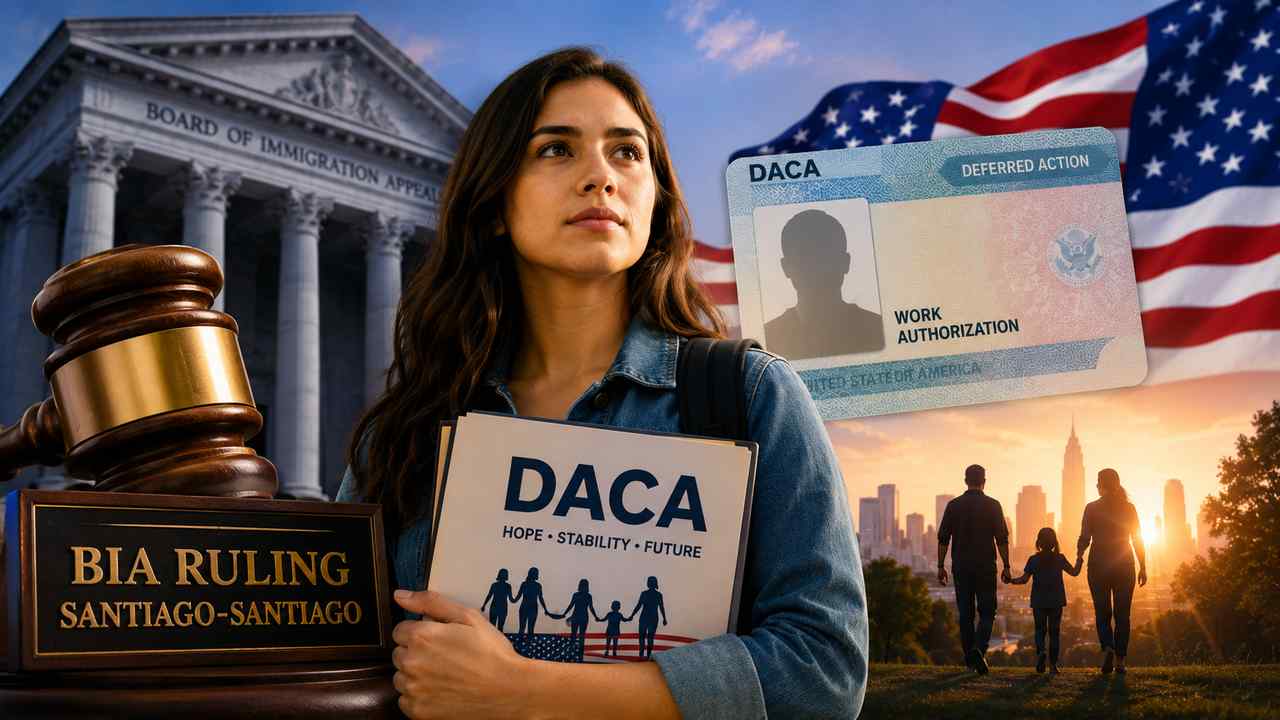
The case involved an immigrant identified as Santiago-Santiago who challenged parts of their immigration proceedings before the BIA. At the center of the dispute was whether immigration officials had properly followed legal standards during the removal process.
Like many immigration appeals, the ruling did not directly target DACA recipients. However, because BIA decisions often shape how immigration judges interpret federal immigration law nationwide, the outcome quickly gained national attention.
What the BIA Decided
In its decision, the BIA clarified how certain immigration laws and procedural rules should be applied in court proceedings. The ruling reinforced the authority immigration judges and federal agencies may have in specific removal-related situations.
Key takeaways from the decision include:
Immigration courts may apply stricter interpretations in some procedural matters
Prior immigration history can play a larger role in case reviews
Certain legal protections may depend heavily on case-specific facts
Appeals could face higher scrutiny moving forward
Key Legal Issue in the Ruling
One of the biggest legal questions in the Santiago-Santiago case was how immigration law should be interpreted when procedural or status-related disputes arise during removal proceedings. The decision focused on the limits of legal protections available to immigrants facing deportation-related actions.
Immigration attorneys say the ruling matters because it may:
Influence future immigration court decisions
Affect how judges evaluate removal cases
Impact immigrants with prior deportation orders or unresolved cases
Create new legal arguments in ongoing appeals
Why This Decision Matters Nationally
Even though the ruling does not directly cancel Deferred Action for Childhood Arrivals, it has become important because BIA decisions are often used as guidance in immigration courts across the United States.
That means the Santiago-Santiago ruling could indirectly affect thousands of immigrants, especially those with complicated legal histories.
Advocates are also watching closely to see whether federal courts or future immigration cases expand the impact of this decision in 2026 and beyond.
Understanding DACA in 2026
More than a decade after it was first introduced, Deferred Action for Childhood Arrivals remains one of the most closely watched immigration programs in the United States. While current recipients can still renew their protections in 2026, the program continues to face legal battles and political uncertainty.
For hundreds of thousands of Dreamers, DACA still provides temporary stability. But it’s important to understand exactly what the program offers — and where its limits still exist.
Current Status of DACA in 2026
As of 2026, existing DACA recipients are generally still allowed to:
Renew their deferred action status
Continue receiving work authorization
Apply for employment legally in the U.S.
Maintain temporary protection from deportation
However, new first-time applications remain heavily restricted due to ongoing court rulings and federal litigation. Immigration policies surrounding DACA can also change depending on future court decisions or federal actions.
Who Currently Qualifies for DACA Protections?
People who already hold approved DACA status may continue renewing if they still meet eligibility requirements.
Applicants usually must show they:
Arrived in the United States as children
Have lived continuously in the U.S.
Meet education or military service requirements
Do not have certain serious criminal convictions
Continue following DACA renewal guidelines
Because immigration history matters more than ever, even small legal complications can affect individual cases.
What DACA Does — And Does Not — Provide
Many people misunderstand what DACA actually guarantees. The program offers temporary relief, but it is not permanent immigration status.
What DACA Provides
Temporary protection from deportation
Renewable work permits
Ability to apply for a Social Security number
Greater access to jobs, education, and licenses in some states
What DACA Does Not Provide
A green card or citizenship pathway
Permanent legal immigration status
Guaranteed re-entry into the U.S. after travel
Full protection from future immigration policy changes
That distinction has become even more important after recent immigration court rulings like the Santiago-Santiago decision.
Ongoing Legal Uncertainty Surrounding the Program
DACA has survived multiple legal challenges over the years, but its future still depends heavily on federal courts and political leadership. Several lawsuits continue to question whether the program was created lawfully under executive authority.
Immigration advocates warn that uncertainty surrounding DACA can affect:
Renewal processing timelines
Advance parole requests
Long-term career and education planning
Deportation concerns for vulnerable recipients
Because of this, many immigration attorneys recommend staying updated on legal developments and renewing DACA as early as possible when eligible.
Does the Santiago-Santiago Decision Affect DACA Recipients?
The biggest concern after the Santiago-Santiago ruling is whether it changes protections for people under Deferred Action for Childhood Arrivals. The short answer: the decision does not directly cancel DACA, but it could still affect certain recipients depending on their immigration history.
Legal experts say the impact may be more indirect than immediate. Still, for DACA holders involved in immigration court proceedings or past removal cases, the ruling is being watched very closely.
Direct vs Indirect Impact on DACA Holders
At this time, the Santiago-Santiago ruling does not officially end DACA protections or stop renewals nationwide. Most current recipients can still renew work permits and maintain deferred action status.
However, the decision may indirectly influence how immigration courts interpret certain procedural issues in future cases.
Possible indirect effects include:
Closer review of past immigration records
Increased scrutiny in removal proceedings
Stricter interpretations by immigration judges
Greater legal uncertainty for complex cases
For many DACA recipients with clean records, there may be little immediate impact.
But those with prior deportation orders or unresolved legal matters could face additional concerns.
Immigration Court Consequences to Watch For
Immigration attorneys say the ruling may become important in cases where individuals already have active immigration court involvement. This is especially true for immigrants who previously received removal orders before obtaining DACA protections.
Some key areas being monitored include:
Reopened immigration court cases
Appeals involving procedural violations
Cases tied to prior removal proceedings
Judicial interpretation of deportation protections
Because immigration judges often rely on BIA precedent, future rulings could expand how Santiago-Santiago is applied.
Does the Ruling Change Deportation Risks?
For most current DACA recipients, deportation protections technically remain in place.
But deferred action has always been temporary and discretionary, not permanent legal status.
That means the ruling could raise concerns for people who:
Have criminal charges or convictions
Missed immigration hearings in the past
Previously received deportation orders
Face ongoing enforcement actions
Immigration lawyers stress that DACA recipients should not panic, but they also should not ignore new legal developments involving immigration courts.
Possible Implications for Renewal Applicants
At the moment, DACA renewals are still being processed under existing federal guidelines. The Santiago-Santiago ruling does not automatically block renewal applications.
Even so, experts warn that USCIS and immigration officials may continue reviewing applications carefully, especially when applicants have complicated histories.
Renewal applicants may want to:
File renewal requests early
Keep copies of all immigration records
Review past court documents carefully
Speak with an immigration attorney if unsure about risks
For many Dreamers, the biggest challenge in 2026 is not a sudden end to DACA — it’s the growing uncertainty surrounding how future immigration rulings may shape the program over time.
Who Could Be Most Affected?
While the Santiago-Santiago ruling may not immediately impact every Deferred Action for Childhood Arrivals recipient, immigration attorneys say some groups could face higher legal risks than others. The biggest concern is for individuals who already have complicated immigration histories or unresolved court matters.
For these immigrants, even small legal changes can carry serious consequences. That’s why many advocates are encouraging vulnerable DACA recipients to review their cases carefully in 2026.
DACA Recipients With Prior Removal Orders
One of the most closely watched groups includes DACA recipients who previously received deportation or removal orders before obtaining deferred action protection.
These individuals could face additional scrutiny because:
Past removal records remain in immigration databases
Immigration courts may revisit older procedural issues
Certain protections can depend on case-specific details
Future enforcement priorities could change over time
In some cases, legal options may still exist to reopen or challenge older removal orders.
But immigration lawyers say professional legal guidance is especially important here.
Individuals Currently in Immigration Court
People actively involved in immigration court proceedings may also feel the strongest impact from new BIA interpretations. Even if someone currently holds DACA protections, court-related issues can still complicate their situation.
Potential concerns include:
Ongoing deportation proceedings
Missed hearings or procedural disputes
Changes in judicial interpretation
Delays tied to appeals or case reviews
Because immigration judges often rely on prior BIA decisions, rulings like Santiago-Santiago can shape future courtroom decisions nationwide.
Applicants With Criminal or Immigration Violations
DACA recipients with criminal histories or prior immigration violations may face greater risks if enforcement standards become stricter.
This can include:
Certain misdemeanor or felony convictions
Prior immigration fraud findings
Unlawful re-entry concerns
False claims or documentation issues
Even minor legal problems can sometimes affect immigration outcomes differently depending on the facts of a case. That’s why experts strongly recommend reviewing any criminal or immigration record before filing renewals or court motions.
People With Pending Appeals or Motions
Immigrants with unresolved legal filings may also be affected if future courts apply Santiago-Santiago more broadly.
This includes people with:
Pending appeals before immigration courts
Motions to reopen old cases
Requests for cancellation or relief
Active deportation defense claims
For these individuals, legal timing and court interpretation can make a major difference.
Attorneys say staying informed and responding quickly to court notices is now more important than ever.
What Immigration Lawyers Are Saying
Immigration attorneys across the country say the Santiago-Santiago ruling is less about ending Deferred Action for Childhood Arrivals and more about changing how immigration courts may treat DACA recipients during removal proceedings.
The biggest concern is that active DACA status alone may no longer carry the same weight it once did when asking judges to close or terminate deportation cases.
Many lawyers describe the decision as a “procedural shift” rather than a direct attack on DACA itself. Still, because the ruling came from the Board of Immigration Appeals, it now serves as nationwide precedent for immigration judges.
Legal Experts’ Interpretation of the Ruling
According to immigration attorneys reviewing the decision, the BIA essentially ruled that DACA status by itself is not enough reason to automatically terminate removal proceedings. Judges must now consider additional factors, including DHS objections and broader public-interest concerns.
Legal analysts say this creates a major shift because, in past years, many immigration courts informally treated active DACA protection as a strong reason to pause or close cases.
Some of the main legal takeaways attorneys are highlighting include:
DACA remains valid and renewals are still allowed
Deferred action is not permanent legal status
DHS can still continue removal proceedings in some cases
Immigration judges may apply stricter discretionary review standards
The ruling also reinforced an important legal reality many Dreamers already feared: DACA can delay enforcement, but it does not erase removability under immigration law.
Concerns About Future DHS Enforcement
Several immigration advocates believe the decision could encourage more aggressive courtroom strategies from the Department of Homeland Security in future deportation cases.
According to reporting published after the ruling:
DHS argued that deferred action does not create a guaranteed right to remain in the U.S.
The BIA agreed immigration judges must weigh DHS opposition more carefully before terminating proceedings
Immigration attorneys say ICE prosecutors may now challenge DACA-based termination requests more often
According to DHS figures cited in media coverage, 261 DACA recipients were reportedly arrested between January and November of last year, while 86 were removed from the country.
Although advocates stress that valid DACA protections still remain active, many lawyers warn that enforcement priorities can shift quickly depending on future federal policies.
Why Many Attorneys Say Each Case Is Different
One message immigration lawyers repeat consistently is that no two DACA cases are exactly alike. A person with a clean immigration history may face very different risks than someone with prior deportation orders, missed hearings, or criminal records.
Attorneys say several factors now matter more than ever, including:
Prior immigration court history
Whether someone entered the U.S. lawfully
Pending marriage-based petitions
Criminal or misdemeanor records
Past interactions with ICE or DHS
Whether DACA status has ever lapsed
Some lawyers also emphasize that people with possible pathways to permanent residency — such as marriage to a U.S. citizen or prior advance parole travel — may still have stronger legal options available.
Can This Ruling Affect Future DACA Renewals?
For now, the Santiago-Santiago ruling does not directly stop Deferred Action for Childhood Arrivals renewals, cancel work permits, or end travel permissions. Current DACA recipients can still submit renewal applications under existing USCIS rules in 2026.
However, immigration attorneys say the ruling could still create indirect risks — especially if processing delays lead to gaps in protection or active immigration court issues.
Whether USCIS May Review Cases More Closely
According to current immigration guidance, U.S. Citizenship and Immigration Services continues processing DACA renewals normally. But applicants are already seeing slower timelines and increased case scrutiny compared to previous years.
Recent processing data shows the median DACA renewal timeline has now reached around 122 days, raising concerns about delayed approvals and status gaps.
Because of this, applicants could face:
Longer processing wait times
Additional Requests for Evidence (RFEs)
Closer background and record reviews
Delays tied to missing documentation
Immigration lawyers warn that even temporary lapses in DACA protection can create complications in removal proceedings after the Santiago-Santiago decision.
Impact on Work Authorization and Travel
The ruling also does not directly cancel Employment Authorization Documents (EADs) for active DACA recipients. Work permits remain valid until their listed expiration dates.
Important protections still in place include:
Timely filed renewals may qualify for automatic EAD extensions up to 540 days
Existing DACA recipients can still legally work while protections remain active
Advance parole travel permissions continue under current federal policy
At the same time, attorneys continue advising caution with international travel. Although advance parole remains available in some situations, immigration enforcement concerns have made many recipients more cautious about leaving the United States.
Potential Delays or Requests for Evidence (RFEs)
One growing concern is that slower processing or RFEs could accidentally place some recipients in vulnerable legal situations.
For example:
Expired DACA status may weaken defenses in immigration court
Judges may now require more than active DACA status alone to terminate proceedings
Delays could affect employment eligibility if renewals are not filed early
Missing paperwork or incomplete filings may trigger additional review
Because of this, many immigration attorneys now recommend submitting renewal applications several months before expiration whenever possible.
The Biggest Risk: Gaps in DACA Protection
Legal experts say the Santiago-Santiago ruling makes one issue especially important in 2026 — avoiding any lapse in DACA status.
While DACA still provides temporary protection from deportation, immigration judges may now look beyond deferred action alone when evaluating removal cases. That means maintaining continuous protection and keeping immigration records updated has become more critical than ever.
Important Things DACA Recipients Should Do Right Now
With growing legal uncertainty surrounding Deferred Action for Childhood Arrivals, immigration attorneys say staying proactive is more important than ever in 2026. Even though the Santiago-Santiago ruling does not directly cancel DACA protections, small mistakes or delayed filings could create serious problems for some recipients.
Experts recommend focusing on preparation, documentation, and reliable legal guidance rather than reacting to fear-driven online rumors.
Keep Immigration Records Organized
One of the most important steps DACA recipients can take right now is keeping all immigration documents updated and easy to access.
Important records include:
DACA approval notices
Employment Authorization Documents (EADs)
Passports and identification records
Immigration court paperwork
Any legal correspondence from USCIS or DHS
Attorneys also recommend tracking expiration dates carefully to avoid accidental lapses in status or work authorization.
Renew DACA Early When Eligible
Legal experts strongly encourage recipients to renew DACA as early as allowed under current USCIS guidance.
Recommended renewal timeline:
File renewal applications 120 to 150 days before expiration
Filing earlier than 150 days may lead to rejection
Current processing times average around 3–5 months
Some cases are taking 122 days or longer to proces
Because delays are becoming more common, waiting too long to renew could increase the risk of work permit interruptions or gaps in protection.
Avoid Misinformation on Social Media
Immigration lawyers say false rumors about DACA policy changes continue spreading rapidly online, especially after major court rulings.
To avoid mistakes, recipients should rely only on:
Official U.S. Citizenship and Immigration Services announcements
Trusted immigration attorneys
Recognized legal aid organizations
Verified nonprofit immigration resources
Incorrect information can sometimes lead to missed deadlines, filing errors, or unnecessary panic.
Speak With a Licensed Immigration Attorney if Concerned
Experts say legal advice is especially important for DACA recipients with more complicated immigration histories.
You should strongly consider consulting an attorney if you have:
A criminal record or arrest history
Prior ICE or immigration court interactions
A previously expired DACA status
Past removal or deportation orders
Concerns about travel or advance parole
Because immigration rules continue changing through lawsuits and court rulings, personalized legal guidance can make a major difference.
Additional Tips for DACA Renewals in 2026
Here are a few other important reminders recipients should know:
The current DACA renewal filing fee is $495
There is currently no fee waiver available
Online filing through my.uscis.gov may provide faster tracking and updates
If DACA expired within the last year, renewal may still be possible
If it expired more than one year ago, the request could be treated differently and may not be processed under current rules
For many Dreamers, the safest approach right now is staying informed, renewing early, and avoiding unnecessary legal risks while immigration policies continue evolving.
Broader Immigration Impact Beyond DACA
Immigration experts say the Santiago-Santiago ruling could reach far beyond just Deferred Action for Childhood Arrivals recipients. Because the decision came from the Board of Immigration Appeals, it now serves as a nationwide immigration court precedent that may affect other immigrants with temporary protections.
The ruling reinforced one major legal principle: deferred action alone may not be enough to automatically terminate removal proceedings. That interpretation could influence how immigration judges handle many types of humanitarian immigration cases moving forward.
How the Ruling May Affect Other Noncitizens
Legal advocates say the decision could impact immigrants beyond DACA, especially those relying on temporary or discretionary protections from deportation.
Groups being closely watched include:
Temporary Protected Status recipients
Humanitarian parole beneficiaries
Certain asylum applicants
Noncitizens with pending immigration relief requests
Individuals already in removal proceedings despite temporary protections
Attorneys warn that immigration judges may increasingly require stronger legal grounds beyond deferred action or humanitarian status alone when deciding whether to terminate deportation cases.
That could create added uncertainty for immigrants whose protections depend heavily on executive policy rather than permanent immigration status.
Possible Future Court Challenges
Immigration advocacy groups are already monitoring several major legal battles that could shape how far the Santiago-Santiago precedent expands in the coming years.
Key cases being watched include:
Challenges involving TPS terminations for immigrants from Honduras, Venezuela, and South Sudan
Ongoing lawsuits tied to DHS detention and enforcement policies
Constitutional challenges related to newer asylum restrictions and border enforcement laws
Advocates believe future federal court rulings — especially at the appellate and Supreme Court levels — could either limit or strengthen the broader impact of Santiago-Santiago on immigration proceedings nationwide.
What Immigration Advocates Are Monitoring Next
Immigration organizations say several upcoming legal developments may become especially important in late 2026 and beyond.
Among the biggest issues advocates are tracking:
Potential Supreme Court of the United States review of TPS termination challenges expected later in 2026
Expansion of expedited removal procedures and due process concerns
Possible federal regulatory changes affecting immigration appeals
Increased DHS enforcement authority in removal proceedings
Many advocacy groups now see the Santiago-Santiago ruling as part of a broader trend toward stricter immigration enforcement policies.
Because of that, legal organizations across the U.S. are preparing for expanded litigation efforts, especially in cases involving temporary humanitarian protections and immigration court discretion.
Final Take
The Santiago-Santiago ruling does not end Deferred Action for Childhood Arrivals, but it has added another layer of uncertainty for immigrants already navigating a complex legal system. For many recipients, the real impact will depend on individual factors like prior removal orders, court history, criminal records, or gaps in status.
Immigration attorneys say there is no reason for panic right now, but staying informed has become more important than ever. Keeping documents updated, renewing DACA early, and following trusted legal guidance can help recipients avoid unnecessary risks as immigration policies continue evolving in 2026.