U.S. Lifts Immigration Hold for Healthcare Workers but Not Everyone Else
The U.S. government has eased certain immigration restrictions for healthcare workers, offering relief to hospitals and medical facilities facing staff shortages. However, many other visa applicants and immigration categories remain stuck under ongoing processing delays and restrictions.

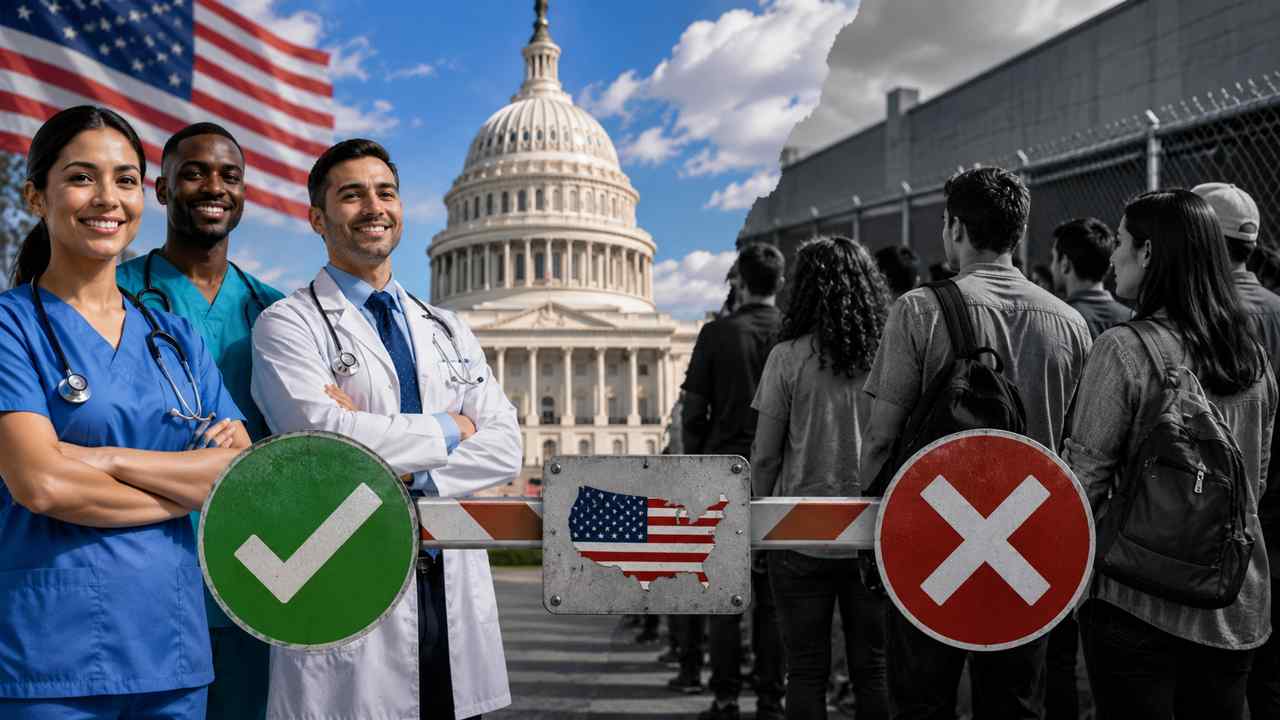
Immigration applications for doctors and healthcare professionals are reportedly moving again in parts of the U.S. immigration system after months of delays and uncertainty. The development is being welcomed by hospitals and healthcare providers struggling with severe staffing shortages across the country.
However, while healthcare workers appear to be receiving faster attention, millions of other visa and green card applicants continue facing major backlogs, processing uncertainty, and long wait times. The difference in treatment is now sparking debate over whether immigration priorities are increasingly being driven by workforce shortages and economic pressure rather than standard processing timelines.
Doctors and Healthcare Workers Finally See Progress
Recent immigration processing developments suggest that certain doctors, nurses, and healthcare professionals are beginning to see movement in pending applications.
Healthcare organizations and hospital systems have repeatedly warned federal officials that physician shortages are affecting:
Emergency rooms
Rural hospitals
Primary care facilities
Specialized medical services
Many hospitals, especially in rural and underserved communities, rely heavily on immigrant healthcare workers to maintain operations and provide patient care.
Immigration authorities appear to be accelerating some healthcare-related applications in response to:
Nationwide doctor shortages
Rising patient demand
Staffing shortages in hospitals
Increased pressure on healthcare systems
Medical organizations have argued for months that immigration delays were worsening workforce shortages and limiting healthcare access for patients.
Why Immigration Applications for Doctors Are Moving Again
The renewed movement is largely tied to growing concerns about the U.S. healthcare workforce.
Several factors are contributing to the shift:
Aging U.S. population increasing healthcare demand
Ongoing shortages of doctors and nurses
Rural communities struggling to recruit physicians
Rising pressure on hospitals and emergency services
International medical graduates play a major role in the American healthcare system, particularly in underserved regions where recruiting domestic healthcare workers remains difficult.
Healthcare leaders and lawmakers have warned that delayed immigration approvals could directly impact:
Patient care availability
Emergency response times
Hospital staffing stability
Long-term healthcare access
Analysts say immigration policy is increasingly intersecting with workforce planning and public health concerns rather than operating solely as a legal or administrative process.
Others Still Face Delays and Uncertainty
While healthcare professionals may now be seeing progress, many other immigration applicants remain stuck in long backlogs.
Applicants still facing major delays include:
Technology workers
Engineers
International graduates
Family-sponsored immigrants
Employment-based visa applicants
Many applicants report uncertainty surrounding:
Visa renewals
Green card approvals
Work authorization timelines
Family reunification cases
For thousands of families and workers, the delays continue creating:
Career disruptions
Financial stress
Employment uncertainty
Global Briefing
Get the week's most critical immigration news and policy analysis directly in your inbox.
Anxiety over immigration status
Some applicants argue the immigration system now appears to prioritize industries facing labor shortages rather than processing cases equally across all categories.
Healthcare Industry Receiving Priority Attention
Experts say the healthcare sector is receiving priority treatment because staffing shortages have become a national concern.
Hospitals and medical systems continue dealing with:
Increased patient demand
Burnout among healthcare workers
Staffing shortages after years of system strain
Difficulty filling critical positions
Rural healthcare systems remain especially vulnerable because many communities depend heavily on immigrant doctors and nurses.
Immigrant healthcare professionals are increasingly being viewed as essential to:
Maintaining hospital operations
Preventing staffing crises
Expanding healthcare access
Supporting emergency medical services
The situation highlights how immigration processing decisions are becoming closely tied to economic and public health priorities.
Immigration Experts React
Immigration attorneys and policy experts say the movement for healthcare workers may provide short-term relief for hospitals, but it also exposes broader weaknesses in the immigration system.
Experts are calling for:
Faster overall immigration processing
Broader backlog reduction efforts
More consistent approval timelines
Long-term immigration reform
Some advocates warn that prioritizing healthcare workers alone will not solve larger processing problems affecting millions of applicants across multiple immigration categories.
Others argue the situation demonstrates how dependent critical American industries have become on immigrant labor.
What This Means for Immigrants and Employers
The latest developments could have significant implications for both immigrants and U.S. employers.
Healthcare systems may benefit from:
Faster staffing support
Improved workforce stability
Reduced physician shortages
However, businesses in other sectors may continue facing labor uncertainty tied to delayed immigration processing.
Employers across multiple industries are now closely monitoring whether future immigration priorities will increasingly depend on labor market demand and economic necessity.
Final Take
The renewed movement in immigration applications for doctors and healthcare workers signals a major shift in how immigration priorities are being handled in the United States.
While hospitals and healthcare providers may welcome faster approvals for medical professionals, millions of other visa and green card applicants remain trapped in lengthy backlogs and uncertainty.
As workforce shortages continue affecting critical industries, immigration policy is increasingly becoming tied to economic survival and public service needs — raising larger questions about fairness, consistency, and the future direction of the U.S. immigration system.