ICE Access to Schools and Hospitals Faces New Scrutiny in Minnesota Senate
Minnesota lawmakers are increasing scrutiny of ICE operations at schools, hospitals, and other sensitive locations following growing concerns from educators, healthcare workers, and immigrant advocacy groups. Proposed legislation could impose stricter limits on how federal immigration agents operate near children and patients.

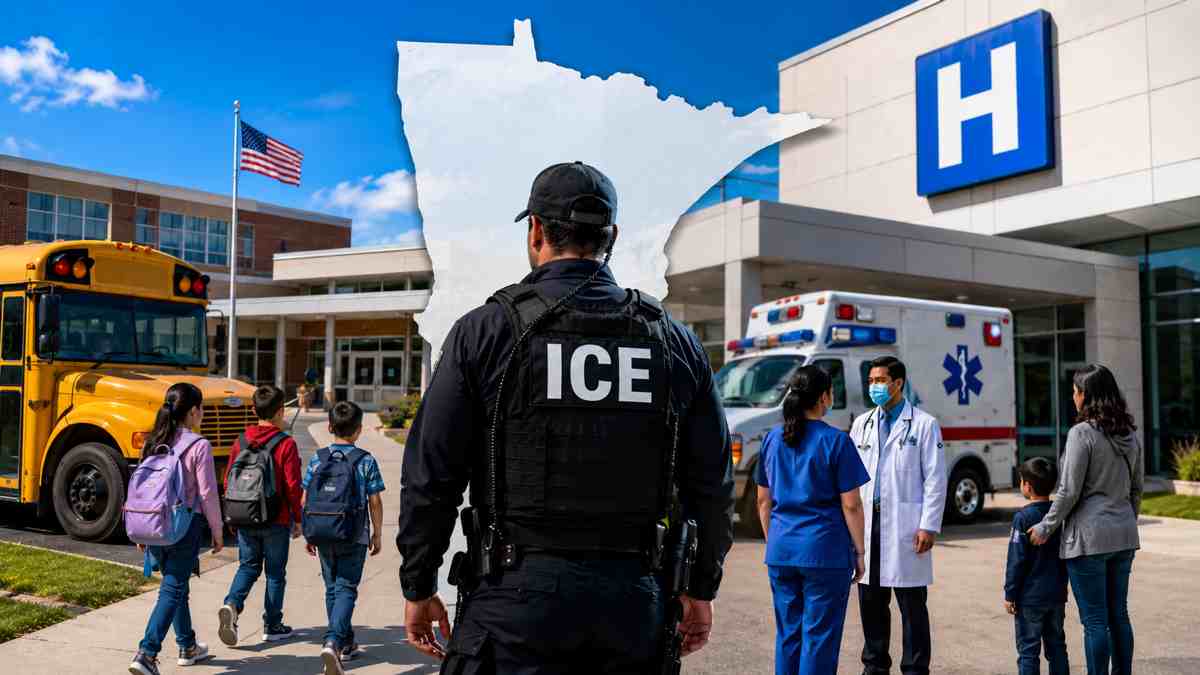
A heated debate is unfolding in Minnesota as state lawmakers consider new legislation that could place tighter restrictions on where U.S. Immigration and Customs Enforcement (ICE) officers can operate — particularly near schools, hospitals, shelters, and colleges.
The proposed legislation comes after months of growing fear and controversy surrounding immigration enforcement activity in Minnesota communities. Teachers, healthcare workers, parents, and immigrant advocacy groups say recent ICE operations have created anxiety inside classrooms, hospitals, and neighborhoods across the state.
Supporters of the legislation argue schools and hospitals should remain safe spaces focused on education and healthcare — not fear and enforcement. Critics, however, say limiting ICE access could interfere with federal immigration operations and public safety efforts.
Minnesota Senate Debates New Restrictions on ICE Access
Minnesota lawmakers are now considering legislation that would create stricter rules surrounding immigration enforcement activity in what are often called “sensitive locations.”
The proposals would place new limits on ICE operations near:
Public schools
Colleges and universities
Hospitals and clinics
Shelters
Community service centers
Supporters say the goal is not to stop criminal investigations, but to ensure families can safely access education and healthcare services without fear of immigration enforcement activity nearby.
Many educators and healthcare workers argue that fear alone is already affecting daily life inside schools and hospitals.
Why the Debate Is Intensifying
The issue gained momentum after recent immigration enforcement operations in Minnesota reportedly increased anxiety among immigrant communities.
Teachers and school officials say some families became fearful after reports of ICE activity near public areas and transportation routes. According to advocates, some parents kept children home from school because they worried about potential immigration encounters.
Healthcare workers also reported concerns that some immigrant families were:
Canceling medical appointments
Avoiding hospitals and clinics
Delaying emergency treatment
Becoming fearful of public institutions
Advocates warn that when fear prevents people from seeking healthcare or education, the effects can spread far beyond immigration policy and impact entire communities.
Schools and Hospitals Become the Emotional Center of the Debate
At the heart of the controversy is a difficult question: should schools and hospitals be treated differently from other public spaces when it comes to immigration enforcement?
Supporters of the legislation argue:
Children should feel safe attending school
Patients should not fear seeking medical treatment
Teachers and doctors should not become part of immigration enforcement fears
Essential public services should remain accessible to everyone
Some educators say students are showing signs of stress and anxiety connected to immigration fears. Others report children asking difficult questions about whether family members could disappear while they are at school.
Healthcare providers also worry that fear surrounding immigration enforcement may discourage vulnerable individuals from seeking preventive or emergency care.
Critics Say Restrictions Could Create New Problems
Opponents of the proposed legislation argue the issue is more complicated than simply restricting ICE activity.
Global Briefing
Get the week's most critical immigration news and policy analysis directly in your inbox.
Critics say:
Federal immigration law must still be enforced
Public safety concerns remain important
Schools and hospitals should not interfere with federal operations
Broad restrictions could create confusion for local institutions
Some lawmakers argue that while fears inside immigrant communities are real, state-level limitations on federal immigration enforcement may not be the right solution.
The debate has exposed deep divisions over how immigration enforcement should operate in everyday public spaces.
Immigration Advocates and Community Leaders React
Immigration advocates, educators, and healthcare workers strongly support stronger protections around schools and hospitals.
Supporters argue the issue is about:
Protecting children and families
Preserving trust in schools and healthcare systems
Preventing fear from disrupting daily life
Keeping public institutions accessible
Community organizations say many immigrant families are already living under constant stress and uncertainty. Advocates warn that fear surrounding immigration enforcement can isolate families from essential services and increase emotional strain on children.
What Happens Next?
Minnesota lawmakers are expected to continue debating the proposed legislation in the coming weeks.
Possible next steps include:
Senate and House votes
Additional public hearings
Amendments to the legislation
Potential legal challenges
The outcome could influence future immigration enforcement policies not only in Minnesota, but also in other states considering similar protections for schools and healthcare facilities.
Final Take
The growing debate over ICE access to schools and hospitals in Minnesota is about far more than politics or policy language. For many families, it is about fear, safety, and whether children and patients can access schools and healthcare without worrying about immigration enforcement.
As lawmakers continue debating the issue, the controversy is becoming part of a much larger national conversation about immigration, public trust, and the role schools and hospitals should play in deeply divided political debates.