
Three Months Later, ‘Operation Metro Surge’ Still Haunts Minnesota Immigrants
Three months after Operation Metro Surge, many immigrant families in Minnesota say fear, uncertainty, and emotional stress continue to affect daily life. Advocacy groups report lasting impacts on workplaces, schools, and community trust following the large-scale ICE enforcement operation.

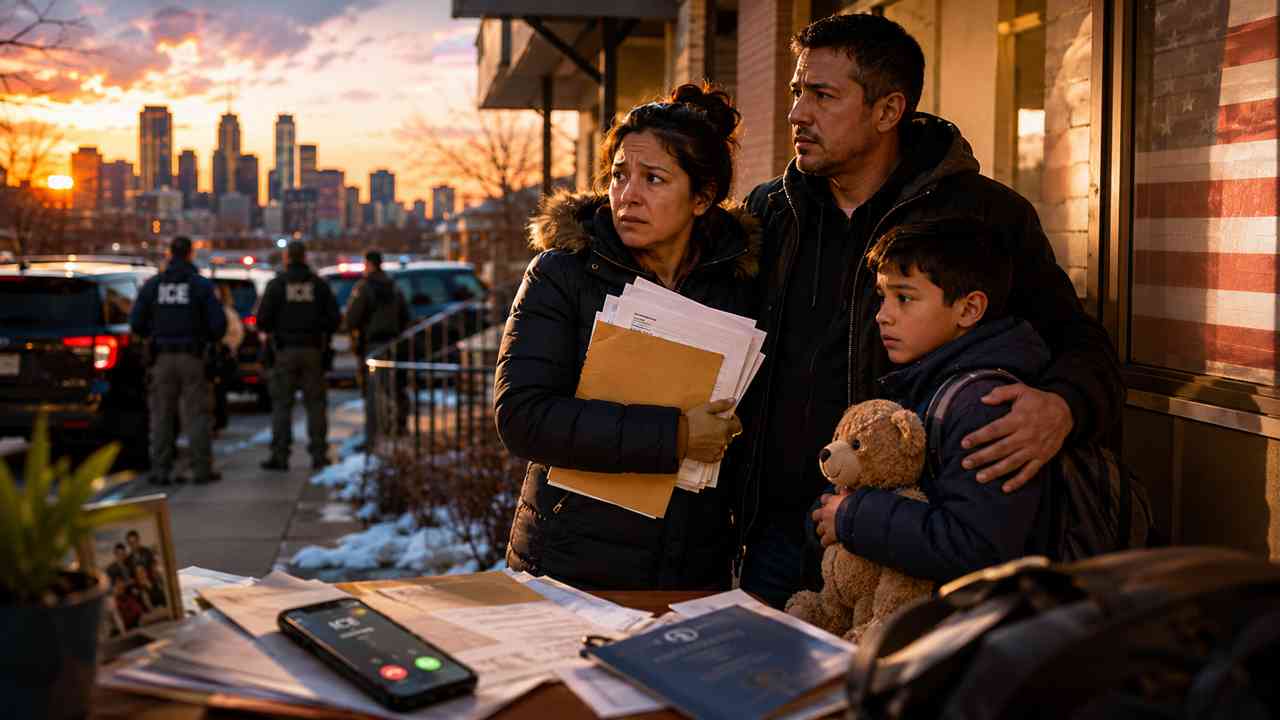
Three months after federal agents swept through parts of Minnesota during “Operation Metro Surge,” fear still hangs over many immigrant neighborhoods. Families who once moved freely now think twice before stepping outside.
Community advocates say the impact did not end when the raids slowed down. Some workers stopped showing up to jobs, children missed school days, and local businesses quietly lost customers almost overnight.
For many immigrants, the operation became more than a headline — it changed daily life in ways that still have not faded.
What Was ‘Operation Metro Surge’?
Federal immigration authorities, including ICE and the Department of Homeland Security, launched “Operation Metro Surge” across Minnesota earlier this year. Officials described it as one of the largest immigration enforcement actions carried out in the region in recent years.
According to later government data, roughly 3,000 federal officers participated in the operation while more than 3,700 immigrants were detained during coordinated raids. The enforcement effort quickly drew national attention because of its size and aggressive tactics.
Advocacy groups and local leaders later argued that many of those arrested did not have serious criminal records, raising new concerns about how the operation was conducted.
Fear Still Shapes Daily Life
Months after the raids, fear still controls daily routines in many immigrant neighborhoods across Minnesota. Some families avoid leaving home unless absolutely necessary, while parents remain nervous about sending children to school or using public transportation.
For Estrella, a mother living in a Twin Cities mobile home community, the fear inside her home has not disappeared. “My girls are still scared. If someone comes to knock at our door, they run,” she told MPR News after witnessing ICE agents detain neighbors during the operation.
How Families Say Life Changed
Estrella and her husband stopped going to work during the height of the raids
Their daughters were told to lock themselves in a room if ICE arrived
The family survived for weeks with food deliveries from community members
Even after returning to work, they still watch their surroundings closely
Estrella said videos of arrests involving friends and neighbors remain on her phone, serving as constant reminders of the operation. Immigration attorney Michael Davis also told MPR News that ICE activity in the Twin Cities remains noticeably higher than before “Operation Metro Surge.”
Despite the emotional and financial strain, Estrella said her family still hopes to build a stable future in Minnesota. Her husband, she added, continues to remind her that “God is good.”
Economic and Community Impact
The raids also left a visible economic impact across immigrant-heavy neighborhoods in Minnesota. Some restaurants and small businesses reportedly lost workers and customers almost overnight as families stayed indoors and avoided public places.
Community groups say many households faced lost wages, food insecurity, and financial instability during the operation. Some schools also reported attendance disruptions as parents feared children could be left alone if family members were detained.
Communities Feeling the Pressure
Global Briefing
Get the week's most critical immigration news and policy analysis directly in your inbox.
Local businesses reported revenue declines during and after the raids
Workers missed jobs out of fear of detention during commutes
Mental health groups reported rising anxiety and trauma cases
Families relied on food deliveries and community donations for support
Several immigrant advocates told MPR News that the economic and emotional effects are still visible months later, especially in communities where many residents remain fearful of renewed ICE activity.
Controversies and Legal Fallout
“Operation Metro Surge” quickly became one of the most controversial immigration crackdowns in Minnesota in recent years. Civil rights groups, immigrant advocates, and local officials criticized the raids, arguing that some federal enforcement tactics crossed legal and constitutional boundaries.
Several investigations and lawsuits later followed, including cases tied to shootings involving ICE agents during the operation. Recent reports also showed that ICE officer Christian Castro now faces assault charges connected to the shooting of a Venezuelan immigrant during a January raid in Minneapolis.
Key Controversies Raised
Lawsuits challenged federal enforcement methods
Minnesota officials demanded greater accountability
Investigators reviewed claims made by ICE agents
Debate intensified over civil rights and federal authority
The legal fallout continues as community groups push for more transparency and oversight surrounding future immigration operations.
Community Groups Push for Recovery
As fear continues across immigrant communities, nonprofits and advocacy organizations in Minnesota have stepped in to provide food support, emergency housing help, legal aid, and mental health assistance for affected families.
Community leaders are also urging state lawmakers to approve stronger protections and financial relief programs for undocumented residents still struggling after the raids. Schools and churches have started outreach efforts aimed at rebuilding trust with families afraid to return to normal routines.
According to recent reporting from MPR News, many support groups say major needs still remain unmet months after “Operation Metro Surge.”
Final Take
Although the large-scale raids have slowed, fear still lingers in many immigrant communities across Minnesota. Families say everyday routines — from going to work to sending children to school — still carry uncertainty months after “Operation Metro Surge.”
Many residents say life has not fully returned to normal, with some families continuing to avoid public spaces and limit daily activities out of fear of future enforcement actions. Immigration policy and federal enforcement tactics also remain among Minnesota’s most divisive political debates in 2026.
For now, many communities are still caught between recovery and uncertainty, unsure of what the next chapter of immigration enforcement may bring.