US Immigration Backlog Surges to 11.6 Million, Putting Legal Status at Risk
The U.S. immigration backlog has reportedly climbed to 11.6 million pending cases, increasing delays for visas, green cards, asylum claims, and other applications. Immigration advocates warn that prolonged processing times could place legal status and work authorization at risk for many applicants.

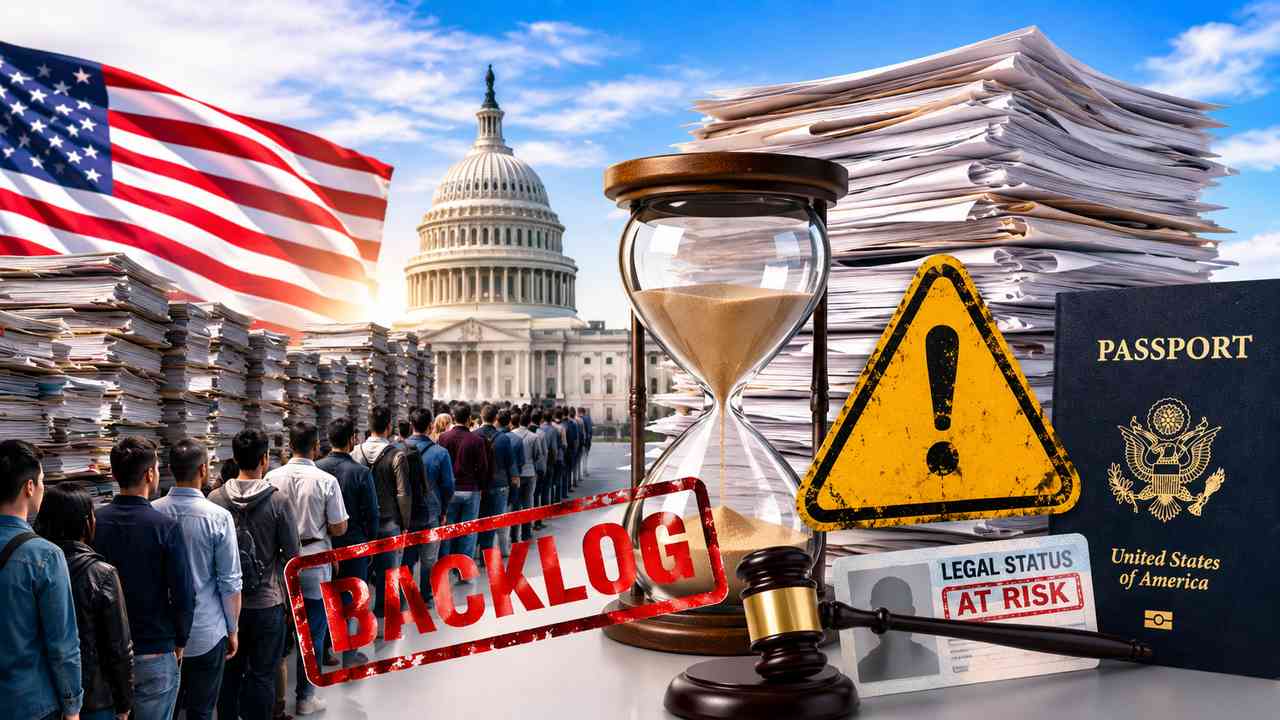
America’s legal immigration system is facing one of its biggest slowdowns in years. A growing backlog of nearly 11.6 million pending cases is now leaving many immigrants stuck in months and sometimes years of uncertainty.
For families, workers, and asylum applicants, the delay is becoming more than just frustrating. Expired work permits, delayed green cards, and long processing times are now putting legal status and employment at risk for thousands across the country.
Even immigrants who followed every rule are finding themselves trapped in a system struggling to keep up. With applications rising faster than approvals, immigration experts warn the pressure on USCIS and immigration courts could continue well into 2026.
What the 11.6 Million Immigration Backlog Actually Includes
The massive 11.6 million-case backlog is not tied to just one immigration program. It includes millions of pending applications spread across both USCIS processing centers and overwhelmed immigration courts across the United States.
In simple terms, people are waiting for everything from green cards and work permits to citizenship interviews and asylum decisions. For many applicants, even routine immigration steps are now taking far longer than expected.
Here’s what is stuck in the system:
Family-based green cards
filed through spouses, parents, children, or relatives are facing long processing delays.
Employment visa and green card cases
Skilled workers and employer-sponsored applicants are waiting months or years for approvals.
Adjustment of Status (Form I-485)
Many immigrants already living in the U.S. are stuck waiting to officially become permanent residents.
Work permits (EADs)
Delayed renewals are creating job risks for thousands of immigrants whose authorization depends on timely approvals.
Naturalization applications
Citizenship interviews and oath ceremonies are also taking longer in many areas.
Asylum applications
Backlogs continue to grow as humanitarian filings increase nationwide.
Immigration court cases
Deportation proceedings and other court-related cases now make up one of the largest parts of the crisis.
USCIS Backlog vs. Immigration Court Backlog
The backlog is split between two major systems:
USCIS backlog:
Handles benefits like green cards, work permits, citizenship, and visa petitions.
Immigration court backlog:
Handles deportation and removal cases under the Department of Justice.
Immigration courts alone are currently dealing with millions of pending cases, with some hearings being scheduled years into the future.
Why the US Immigration Backlog Has Grown So Quickly
The sharp rise in the U.S. immigration backlog did not happen overnight. Immigration experts say several problems collided at the same time, creating a system now struggling to keep up with demand.
Record-High Application Volumes
After pandemic-era slowdowns eased, immigration filings surged across nearly every category. USCIS and immigration courts have been dealing with:
Higher family-based green card applications
Increased employment-based visa filings
Growing asylum and humanitarian requests
More work permit renewal applications
The volume of incoming cases has outpaced the government’s ability to process them quickly.
Staffing Shortages and Processing Delays
Federal immigration agencies continue to face staffing and resource challenges. Key issues include:
Shortages of USCIS officers and immigration judges
Longer wait times for interviews and biometrics appointments
Slower adjudication of petitions and renewals
Even with recent hiring efforts, experts say rebuilding processing capacity could take years.
Increased Security Vetting and Administrative Reviews
Immigration screening procedures have also become more extensive in recent years. Many applicants now face:
Additional background and security checks
More Requests for Evidence (RFEs)
Longer administrative processing reviews before approval
These extra steps can add months to already delayed cases.
Technology and System Bottlenecks
Another major problem is outdated infrastructure. Much of the immigration system still depends on paper-based processing, creating:
File transfer delays between agencies
Scheduling bottlenecks
Slower digitization and online processing efforts
As applications continue to rise, these system limitations are putting even more pressure on an already overwhelmed immigration process.
How Delays Could Put Legal Status at Risk
For millions of immigrants, the growing backlog is more than just a waiting game. Delays are increasingly creating legal, financial, and personal risks for people trying to maintain lawful status in the United States.
Visa Holders Facing Expiration Problems
Many temporary visa holders are struggling with delayed renewals for:
Global Briefing
Get the week's most critical immigration news and policy analysis directly in your inbox.
H-1B and employment-based visas
Dependent visas such as H-4 and L-2
Work permit extensions tied to pending applications
When processing times stretch too long, applicants can face gaps in employment authorization, travel restrictions, and uncertainty about whether they can continue working legally in the U.S.
Green Card Applicants Stuck in Limbo
Employment-based and family-based green card applicants are also facing extended waits for adjustment of status approvals. These delays can affect:
Job mobility and promotions
International travel plans
Long-term financial and housing decisions
Many applicants remain stuck in temporary status for years while waiting for final decisions.
Families and Asylum Applicants Facing Uncertainty
Backlogs are also slowing family reunification and asylum processing nationwide. In many cases:
Families remain separated for extended periods
Asylum interviews and immigration court hearings are delayed for years
Applicants face ongoing emotional and financial stress
Immigration advocates warn that prolonged uncertainty is making it harder for many families to plan their futures while waiting for the system to catch up.
Which Immigration Categories Are Being Hit the Hardest?
Some immigration categories are facing significantly longer delays than others as the backlog continues to grow nationwide.
Employment-based visa applicants, especially those waiting for green cards or adjustment of status approvals, are seeing extended processing times that can stretch into multiple years. H-1B holders and applicants renewing work permits are also dealing with delays that may impact employment authorization and travel plans.
Family-sponsored green card applicants remain heavily affected as visa demand continues to exceed available processing capacity. Many families are experiencing long separation periods while waiting for interviews and approvals.
Asylum seekers are facing some of the longest delays in the system, with backlogged interviews and immigration court hearings pushing many cases years into the future.
Immigration courts across the U.S. are also struggling under massive caseloads, creating slower hearing schedules and delayed decisions. In some regions, embassy staffing shortages and consular slowdowns have added even more waiting time for applicants processing cases outside the United States.
What USCIS and Federal Agencies Are Doing to Reduce the Backlog
USCIS and other federal immigration agencies have introduced several measures aimed at reducing the growing backlog and speeding up case processing.
Recent efforts include:
Hiring additional USCIS officers and immigration judges
Expanding online filing and digital processing systems
Introducing faster work permit renewal initiatives
Continuing interview waiver programs for eligible applicants
Redistributing cases between service centers to balance workloads
Federal agencies have also increased automation in certain application categories to reduce paperwork delays and improve processing efficiency.
However, immigration experts say meaningful improvements may still take time. Agencies continue to face record-high filing volumes, staffing limitations, and aging infrastructure that cannot be fixed quickly.
As a result, while some categories may see gradual improvements in 2026, applicants in heavily backlogged areas could continue facing long waits for the foreseeable future.
What Immigrants Should Do Right Now
As immigration delays continue to grow, experts say applicants should take proactive steps to avoid problems tied to expired documents or missed deadlines.
File Renewals as Early as Possible
Applicants should avoid waiting until the last minute to renew visas, work permits, or immigration benefits. Early filing can help reduce the risk of status gaps caused by long processing times.
Track Case Updates Closely
Immigrants are encouraged to:
Monitor their USCIS online accounts regularly
Check updated processing times
Watch for Requests for Evidence (RFEs) or appointment notices
Missing important updates could lead to additional delays.
Keep Immigration Records Organized
Applicants should safely store:
Receipt notices
Approval notices
Passport and travel records
Employment and immigration documents
Having organized records can help respond quickly if agencies request additional information.
Speak With an Immigration Attorney for Complex Cases
Legal guidance may be especially important for applicants dealing with:
Expiring immigration status
Long-pending cases
RFEs or denied applications
Employment or travel complications caused by delays
Immigration attorneys can help applicants understand their options while navigating an increasingly backlogged system.
Final Take
The growing 11.6 million-case immigration backlog is becoming a major legal and economic challenge across the United States. Delays are affecting millions of people waiting for visas, work permits, green cards, and court decisions.
While USCIS and federal agencies are expanding staffing and improving processing systems, experts say recovery could take years. Until then, immigrants may need to stay proactive, file early, and closely monitor their cases to avoid additional risks.