
Logo
Live Updates

Follow Us

search
7 min read

Trump Orders Banks to Scrutinize Clients’ Citizenship Status in New Immigration Push

A new Trump administration immigration push could require banks to more closely examine customers’ citizenship or immigration status. Critics say the move may raise privacy concerns and create additional barriers for immigrant communities accessing financial services.

C
Camila
MAY 20, 2026 at 8:20 PM UTC
Trump Orders Banks to Scrutinize Clients’ Citizenship Status in New Immigration Push
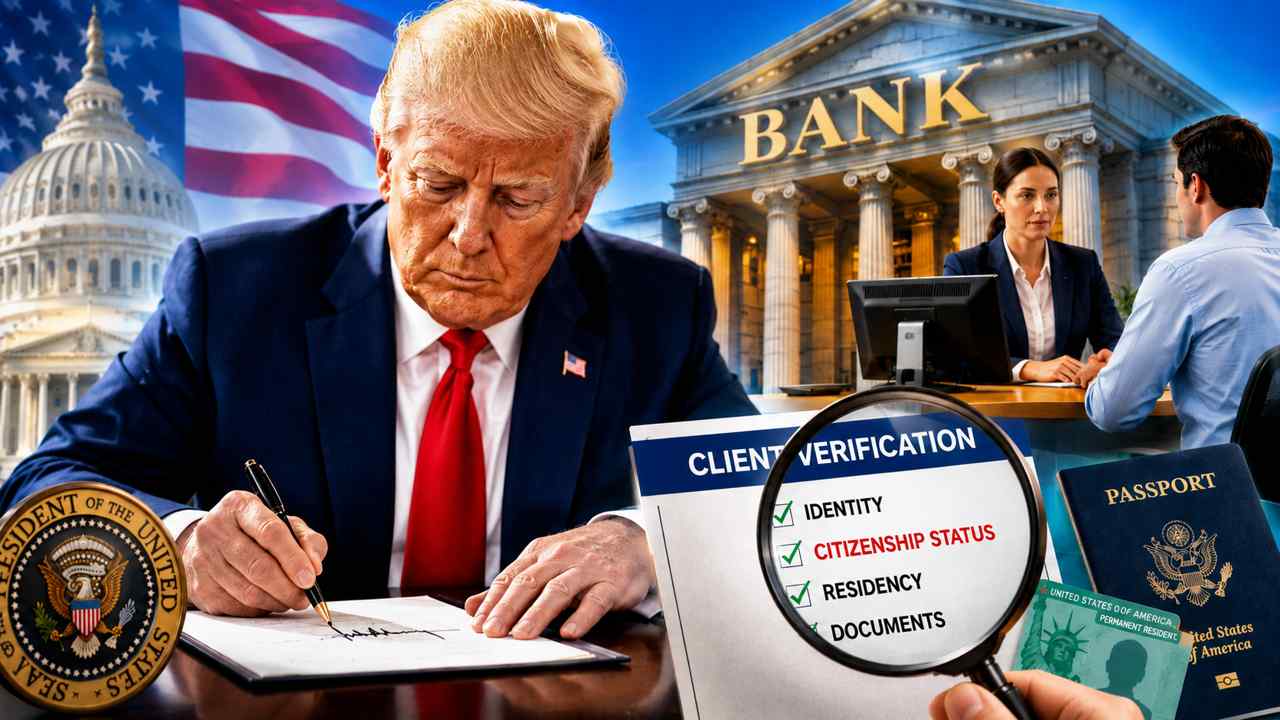
Banks and financial institutions may face new citizenship verification expectations under the Trump administration’s latest immigration proposal.

Trump’s latest immigration push is reaching the banking world, with financial institutions facing new pressure to pay closer attention to clients’ citizenship status. The move has sparked concern among immigrant communities, privacy advocates, and banks alike.

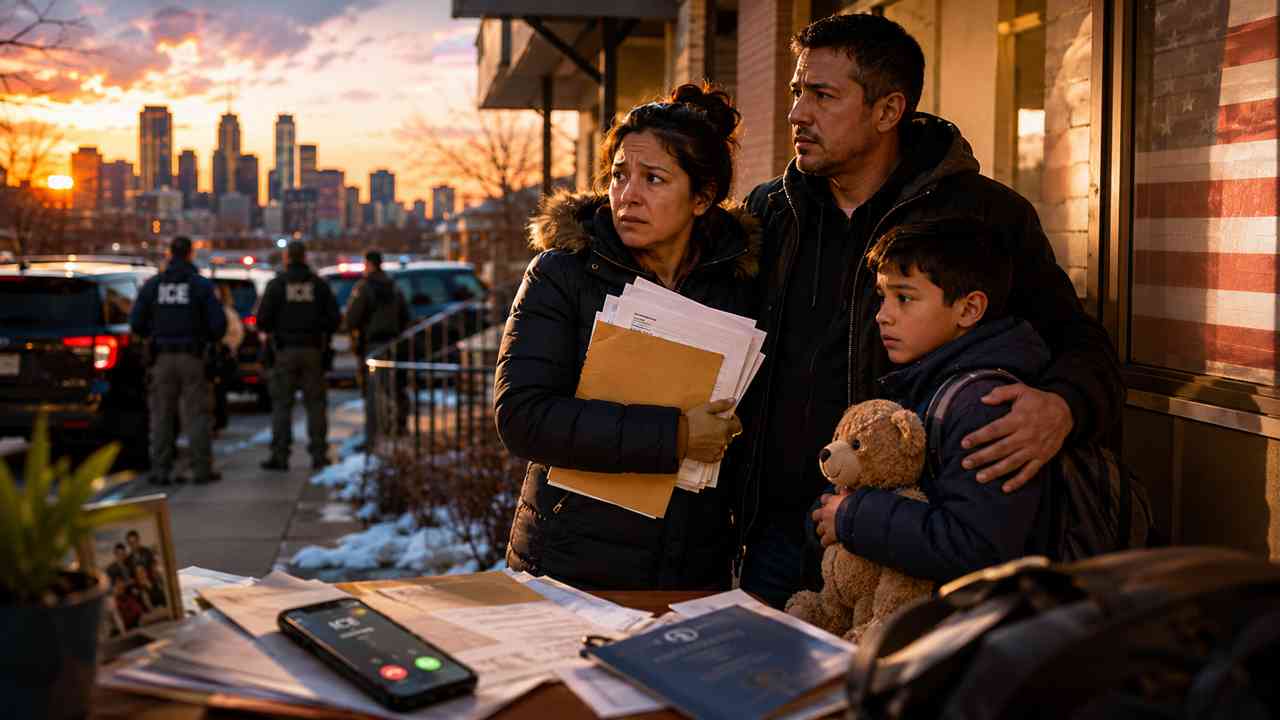
Supporters say the policy is about stronger enforcement and tighter oversight, while critics warn it could create fear, confusion, and possible discrimination at the counter. For many families, this could turn an ordinary bank visit into a moment of anxiety.

The bigger question now is how far this rule could go, and whether banks will be forced to change the way they serve millions of customers.

What the New Banking Directive Says

The new directive reportedly involves agencies such as the U.S. Department of the Treasury, Department of Homeland Security, and federal banking regulators. Banks could be asked to strengthen identity checks tied to immigration or citizenship records.

Under the proposal, banks could be asked to:

  • Collect additional identification or immigration-related documents

  • Review customer records more closely during account openings

  • Flag suspicious activity linked to identity or residency concerns

  • Increase reporting requirements for certain transactions or accounts

Reports suggest the policy may affect both new and some existing accounts, though full details remain unclear. The Trump administration says the goal is to reduce fraud, strengthen national security, and prevent undocumented immigrants from exploiting the U.S. financial system.

Why the Trump Administration Says the Move Is Necessary

The White House argues the banking directive is aimed at tightening financial oversight and supporting tougher immigration enforcement across the country. Trump officials say stronger identity checks are necessary to prevent fraud, protect national security, and stop gaps in the financial system.

Administration officials have defended the proposal by saying:

  • Banks need stricter customer verification standards

  • Undocumented immigrants should not easily access certain financial services or benefits

  • Financial monitoring can help detect identity fraud and illegal activity

  • Federal agencies must work together more aggressively on enforcement

The administration is also presenting the order as part of Trump’s broader immigration crackdown in 2026, alongside expanded deportation efforts and stricter federal screening policies.

Immigrant Communities and Advocacy Groups React

The proposal has triggered anxiety in many immigrant communities, especially among families worried that banking activity could now draw unwanted government attention. Some fear the policy may discourage immigrants from using banks altogether.

Advocacy groups and privacy organizations warn that:

  • Lawful immigrants and mixed-status households could also be caught in the scrutiny

  • Extra verification checks may increase profiling or discrimination risks

  • Financial surveillance could make communities less willing to trust banks

  • Fear and confusion may spread even before clear rules are released

Several immigrant rights organizations say the policy could push more people toward cash-only transactions, making everyday life less secure and more difficult. Critics argue that turning banks into another layer of immigration enforcement may deepen fear rather than improve public safety.

What Banks and Financial Institutions Are Saying

Banks and financial institutions are reacting cautiously, with many raising concerns about the cost and complexity of enforcing new citizenship verification requirements. Industry experts say the proposal could create major operational and legal challenges.

Financial institutions are especially questioning:

  • How banks would reliably verify immigration or citizenship status

  • Whether employees would need new compliance training and monitoring systems

  • Possible legal exposure tied to discrimination or customer privacy laws

  • How federal agencies plan to enforce reporting requirements consistently

Some banking groups are reportedly waiting for clearer guidance from federal regulators before making major procedural changes. Others worry that unclear rules could create confusion for both employees and customers at local branches nationwide.

Could the Policy Face Legal Challenges?

Legal experts say the banking directive could quickly face challenges in court if enforcement expands nationwide. Civil rights organizations and some state officials are already raising concerns about privacy protections and possible discrimination issues.

Critics argue the proposal may:

  • Conflict with federal financial privacy laws

  • Exceed government authority over banking procedures

  • Create unfair treatment based on nationality or immigration status

  • Open the door to lawsuits from advocacy groups and affected customers

Several analysts are comparing the move to earlier Trump-era immigration policies that faced lengthy court battles before taking effect. Legal observers expect immediate scrutiny if banks are formally required to monitor or report immigration-related customer information.

What Immigrants and Bank Customers Should Know Right Now

For now, customers are being encouraged to stay informed and avoid reacting to unverified claims circulating online. Many details of the proposed banking directive are still unclear and could change in the coming weeks.

People should:

  • Watch for official notices or updates from their banks

  • Avoid misinformation spreading on social media

  • Keep identification and financial records current and organized

  • Speak with immigration or legal professionals if specific concerns arise

Experts say there is no immediate need for panic, but staying prepared and informed will be important as federal guidance develops further.

Final Take

The banking directive marks another major step in Trump’s broader immigration agenda, with financial institutions now potentially becoming part of federal enforcement efforts. Supporters call it stronger oversight, while critics see growing risks to privacy and equal access to banking.

How far the policy ultimately goes may depend on court challenges, bank compliance, and future federal guidance. For immigrant families and the banking industry alike, uncertainty surrounding the rules could continue well into 2026.
Next Article
7 min read

US Immigration Authorities Arrest Self-Admitted El Salvador MS-13 Member

U.S. immigration authorities announced the arrest of an El Salvador national identified as a self-admitted MS-13 gang member. Officials say the arrest was part of ongoing enforcement efforts targeting individuals linked to transnational criminal organizations.

C
Camila
MAY 20, 2026 at 9:23 PM UTC
US Immigration Authorities Arrest Self-Admitted El Salvador MS-13 Member
ICE officers conducted an enforcement operation leading to the arrest of a suspected MS-13 affiliate from El Salvador.

United States immigration authorities have arrested a self-admitted MS-13 member from El Salvador, adding to ongoing federal efforts targeting transnational gangs and public safety threats. Officials said the arrest was part of a broader enforcement operation.

According to authorities, the Salvadoran national was taken into custody during an immigration enforcement action tied to alleged gang activity. Federal agencies say investigations linked the individual to MS-13 affiliation before the arrest.

The case is already drawing attention as immigration enforcement and gang-related crackdowns remain a major political issue across the United States.

What Federal Authorities Announced

Federal authorities said U.S. Citizenship and Immigration Services assisted partner agencies in the arrest of Jose Calles Henriquez, a 24-year-old Salvadoran national described as a self-confessed member of MS-13. Officials said the operation involved coordination with federal immigration investigators and law enforcement partners.

According to officials, investigators tracked the suspect through immigration records, background checks, and enforcement intelligence tied to ongoing gang-related investigations. 

Authorities also confirmed the arrest was part of a targeted public safety operation focused on individuals suspected of gang involvement and immigration violations.

Key details released by authorities:

  • Suspect identified as an undocumented immigrant from El Salvador

  • Officials described him as a self-admitted MS-13 member

  • Federal agencies said the arrest supported broader gang enforcement efforts

  • Authorities did not publicly disclose additional charges or evidence recovered at the time of the announcement

Who Are MS-13 and Why the Gang Remains a Major Focus

What MS-13 Is

MS-13, also known as Mara Salvatrucha, is an international criminal gang that operates in parts of the United States, Central America, and other regions. Federal investigators have linked some members and affiliated groups to organized criminal activity, although cases and charges vary by investigation.

Origins Tied to El Salvador and U.S. Operations

The gang traces its roots to Salvadoran immigrant communities in Los Angeles during the 1980s before expanding into several U.S. cities and parts of Central America, including El Salvador. Over the years, law enforcement agencies have tracked its presence through regional gang networks and cross-border investigations.

Why Federal Agencies Continue Targeting Suspected Members

U.S. immigration and federal law enforcement agencies often prioritize suspected gang members during enforcement operations tied to public safety concerns. Past investigations connected to alleged MS-13 activity have included:

  • Violent assaults and homicide cases

  • Human trafficking investigations

  • Drug distribution networks

  • Extortion and intimidation schemes

Officials regularly stress that arrests and allegations do not automatically establish guilt. Criminal accusations and immigration violations must still go through court proceedings and legal review before any final determinations are made.

Immigration Enforcement and Gang Crackdown Efforts

Federal Focus on Gang-Linked Immigration Cases

The arrest comes amid broader federal efforts targeting suspected transnational gang members, criminal non-citizens, and repeat immigration offenders. Agencies including U.S. Immigration and Customs Enforcement and Homeland Security Investigations have continued expanding operations tied to gang enforcement and border-related investigations.

Officials say these cases are often treated as high-priority public safety matters, especially when investigators believe suspects may have links to organized criminal networks. Federal task forces frequently coordinate intelligence-sharing efforts across multiple states and jurisdictions.

Cooperation Between Federal and Local Agencies

Many gang-related arrests involve cooperation between immigration authorities, local police departments, sheriff’s offices, and federal prosecutors. Investigators often use immigration records, surveillance data, and criminal databases to track suspects during targeted enforcement operations.

Past operations connected to suspected MS-13 activity have included investigations into:

  • Violent assaults and homicide cases

  • Drug trafficking networks

  • Human trafficking operations

  • Extortion and intimidation schemes

Why These Cases Often Move Quickly

Under current enforcement priorities, suspected gang-affiliated immigrants are frequently placed into detention or removal proceedings while investigations continue. Federal officials have repeatedly said gang-related enforcement remains a major part of wider border security and public safety strategies.

What Happens Next in the Case

Immigration and Criminal Proceedings Could Follow

Following the arrest, the Salvadoran national is expected to remain in immigration custody while federal authorities continue reviewing the case. Officials have not publicly confirmed additional criminal charges so far, but immigration detention and possible removal proceedings are likely next steps.

If prosecutors determine there is enough supporting evidence tied to gang activity, immigration fraud, or other alleged violations, the suspect could also face federal court proceedings. In many gang-related investigations, authorities may request continued detention while the case moves through the legal system.

Several Agencies May Continue Reviewing the Case

Federal officials said the arrest was part of a coordinated enforcement effort involving immigration and law enforcement partners. That means investigators could continue examining possible links to broader gang-related activity or additional suspects connected to the case.

What Determines the Final Outcome

The final legal outcome will depend on:

  • Evidence presented by investigators

  • Immigration court proceedings

  • Federal court rulings, if charges are filed

  • Reviews by immigration judges and enforcement officials

Authorities have not yet released a timeline for future hearings or possible deportation actions.

Reactions and Public Safety Debate

Law Enforcement Calls the Arrest a Public Safety Matter

Federal officials described the arrest as part of a broader effort to target individuals suspected of gang involvement and immigration violations. Agencies involved in the operation emphasized that coordinated enforcement actions are intended to support community safety and disrupt transnational criminal networks.

Officials have repeatedly stated that suspected gang-related cases often receive higher enforcement priority because of alleged links to violent crime, drug trafficking, and organized criminal activity. At the same time, authorities noted that investigations remain ongoing and legal proceedings will determine the final outcome of the case.

Concerns Raised by Immigration Advocates

Immigrant advocacy groups and civil rights organizations have also raised broader concerns surrounding gang-related immigration arrests. Critics argue that cases involving alleged gang affiliation can sometimes lead to questions about:

  • Due process protections

  • Transparency in enforcement operations

  • Accuracy of gang labeling and identification methods

A Wider National Debate Continues

The case reflects a larger national debate over immigration enforcement and public safety policies. Supporters of tougher enforcement say targeted gang operations help protect communities, while advocacy groups continue pushing for stronger legal safeguards and clearer oversight during immigration investigations.

Final Take

The arrest highlights continuing federal efforts targeting undocumented immigrants suspected of gang affiliation and organized criminal activity. U.S. immigration authorities have increasingly prioritized cases tied to public safety, repeat immigration violations, and transnational gang investigations.

Officials say the case will now move through immigration and possible federal legal proceedings, where evidence and court decisions will shape the outcome. Authorities also indicated that broader gang-related investigations may still be ongoing.

The case adds to a growing number of federal enforcement actions tied to alleged gang activity as immigration and public safety debates continue across the United States.

Next Article
Loading Next Story...
Reading:Trump Orders Banks to Scrutinize Clients’ Citizenship Status in New Immigration Push
Article 1 of 4

g_translateSelect Language

Loading languages...