U.S. Visa Operations Suspended in South Sudan, DR Congo, and Uganda
U.S. visa operations have been suspended in South Sudan, the Democratic Republic of Congo, and Uganda, affecting applicants seeking travel and immigration services. The move is expected to create delays and uncertainty for many travelers and families.


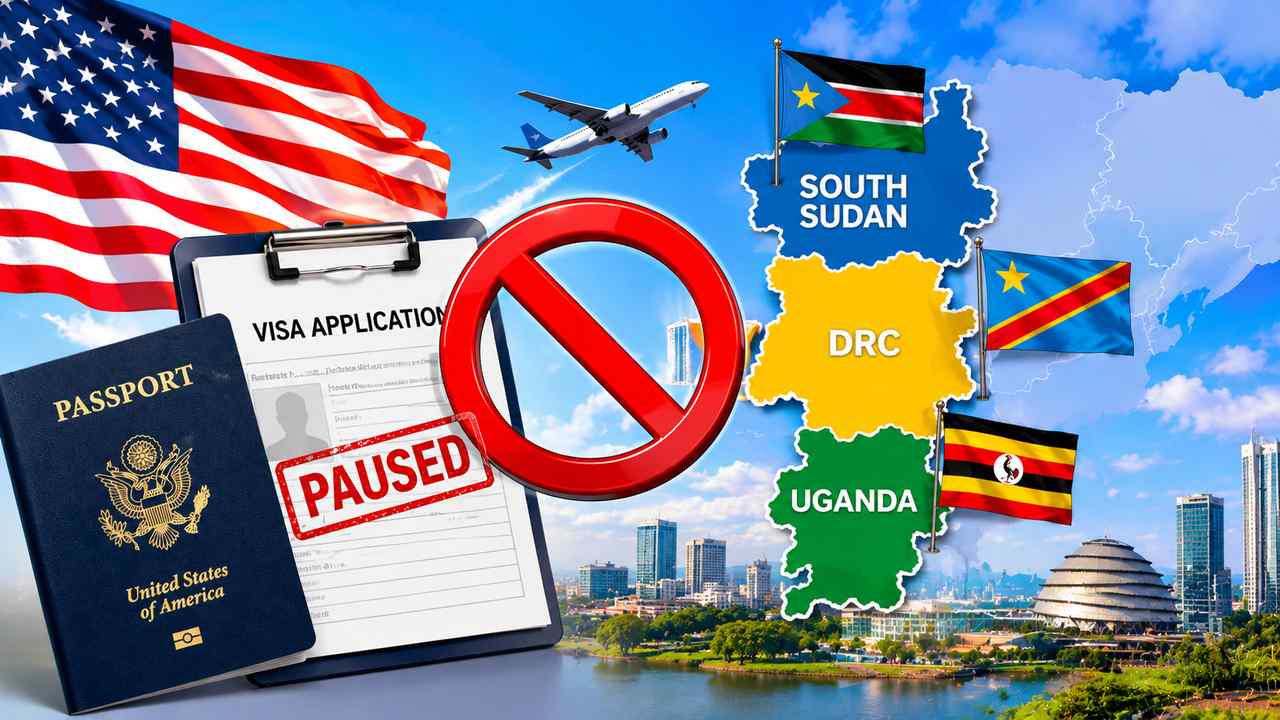
A sudden pause in U.S. visa processing across South Sudan, the Democratic Republic of the Congo (DRC), and Uganda is leaving thousands of travelers and immigrants in limbo. Students and workers waiting for interviews are now facing fresh uncertainty.
The temporary suspension has triggered concerns about delayed travel plans, missed academic deadlines, and growing immigration backlogs. While U.S. officials describe the move as temporary, many applicants are scrambling for answers.
For people already dealing with long visa wait times, this latest disruption adds another layer of stress. Immigration experts say applicants should closely monitor embassy updates as the situation continues to develop.
What the U.S. Government Announced
The U.S. Department of State announced a temporary suspension of all visa services at U.S. embassies in South Sudan, the Democratic Republic of the Congo (DRC), and Uganda starting May 18, 2026. The pause affects both immigrant and nonimmigrant visa categories.
According to U.S. officials, applicants for tourist, business, student, exchange visitor, and immigrant visas will not be able to schedule appointments during the suspension. The affected embassies include Juba, Kinshasa, and Kampala.
Which U.S. Embassies and Applicants Are Affected
South Sudan
The U.S. Embassy in Juba has temporarily stopped all visa operations, including immigrant and nonimmigrant services. No new interview appointments are currently being scheduled.
The suspension is creating uncertainty for local applicants hoping to travel to the U.S. for education, work, tourism, or family reunification. Applicants with canceled appointments are expected to receive updates once services resume.
Democratic Republic of the Congo (DRC)
Visa processing at the U.S. Embassy in Kinshasa has also been paused due to the ongoing Ebola outbreak in the region. Officials confirmed that both immigrant and nonimmigrant categories are affected.
The move is expected to delay family-sponsored immigration cases, student visas, and employment-based travel. Many applicants are now facing uncertainty over interview timelines and rescheduling.
Uganda
The U.S. Embassy in Kampala has suspended routine visa appointments as part of the temporary regional shutdown. The embassy said affected applicants will be notified directly when scheduling reopens.
Students preparing for U.S. universities and temporary workers waiting for visa stamping may experience major travel disruptions. However, officials confirmed that already valid U.S. visas remain active for travel.
Why the U.S. Temporarily Paused Visa Processing
U.S. officials say the temporary visa suspension is mainly tied to growing public health and operational concerns in parts of East and Central Africa. The move is being described as a precautionary step while embassies assess staffing, safety, and regional conditions.
Key Reasons Behind the Suspension
Public Health Concerns:
The recent Ebola outbreak in the region has raised health and safety concerns for embassy staff and applicants.
Operational Challenges:
U.S. embassies in Juba, Kinshasa, and Kampala are dealing with limited staffing and disruptions to normal visa operations.
Appointment Backlogs:
Existing visa delays were already creating pressure on consular services, and the temporary shutdown may increase waiting times further.
Regional Stability Concerns:
Ongoing security and travel concerns in certain areas have also affected embassy operations and movement.
Precautionary Measures by the State Department:
Officials say the pause is temporary and meant to help manage risks while maintaining essential embassy services.
Immigration experts believe the suspension could remain in place until health and operational conditions improve across the affected regions.
Who Could Face the Biggest Impact
The temporary visa suspension is expected to affect thousands of applicants across different immigration categories. For many families, students, and workers, the timing could create serious travel and processing problems.
International Students
Students planning to study in the United States may face delayed F-1 visa interviews and appointment cancellations. With many U.S. colleges preparing for upcoming semesters, some applicants could struggle to secure visas before enrollment deadlines.
Education consultants also warn that delayed processing may force some students to defer admissions or postpone travel plans.
Employment Visa Applicants
Professionals applying for H-1B and other temporary work visas could experience major processing slowdowns. Applicants waiting for visa stamping outside the U.S. are especially vulnerable to delays.
The situation is also creating uncertainty for U.S. employers expecting foreign workers to join projects or begin new roles in the coming months.
Family-Based Immigration Applicants
Families waiting for immigrant visa interviews may now face even longer separation periods. Applicants with scheduled appointments could see interviews postponed or rescheduled without a confirmed timeline.
Immigration attorneys say the suspension may add pressure to already existing family-based visa backlogs at several U.S. embassies.
What Applicants Should Do Right Now
With visa services temporarily paused, immigration experts say applicants should stay proactive and avoid making rushed decisions. Small preparation steps now could help reduce delays later.
Important Steps to Follow
Monitor Official Embassy Updates:
Regularly check U.S. embassy websites and email notifications for reopening announcements or appointment changes.
Avoid Non-Essential Travel Plans:
Applicants should avoid booking flights or finalizing travel arrangements until visa interview dates are confirmed.
Keep Documents Ready:
Make sure DS-160 forms, passports, financial records, and supporting immigration documents remain updated and valid.
Check Appointment Availability Frequently:
Visa slots may reopen with limited availability, so frequent monitoring could help applicants secure earlier appointments.
Global Briefing
Get the week's most critical immigration news and policy analysis directly in your inbox.
Explore Nearby Embassy Options:
In some cases, applicants may be allowed to process visas through U.S. embassies in neighboring countries, depending on local rules and appointment capacity.
Immigration attorneys also recommend keeping copies of all communication and staying prepared for sudden scheduling updates once services resume.
Are Emergency or Expedited Visas Still Available?
At the moment, the U.S. State Department says no new visa appointments can be scheduled at the embassies in Juba, Kinshasa, or Kampala during the temporary suspension. However, officials have not completely ruled out emergency or special-case processing.
Possible Exceptions That Could Still Be Considered
Medical emergencies
Humanitarian travel requests
Urgent government or diplomatic travel
Critical business or family emergencies
U.S. embassies have not released detailed exemption rules yet, but immigration attorneys say emergency requests may still be reviewed on a case-by-case basis depending on local conditions.
Applicants Should Contact the Embassy Directly
Officials are urging applicants to closely monitor embassy websites and email notifications for updates. Applicants with urgent travel needs may need to contact the embassy directly to check whether any limited emergency processing options are available.
The State Department also confirmed that currently valid U.S. visas remain active and can still be used for travel despite the temporary pause.
How Long Could the Suspension Last?
Right now, the U.S. government has not provided an official timeline for when visa services will fully resume in South Sudan, the DRC, and Uganda. The State Department says operations will restart only when public health conditions improve.
What We Know So Far
No confirmed reopening date yet
U.S. embassies in Juba, Kinshasa, and Kampala remain unable to schedule new visa appointments as of May 20, 2026.
Previous embassy slowdowns lasted weeks or months
Earlier temporary visa disruptions linked to health emergencies, security issues, or staffing shortages often resulted in long backlogs even after embassies reopened.
A phased reopening is possible
Immigration experts believe emergency and limited services could return first, followed later by routine tourist, student, and work visa processing.
Health conditions may determine the timeline
The suspension is directly connected to the ongoing Ebola outbreak in the region. According to recent reports, more than 90 deaths and hundreds of suspected cases have already been reported.
Officials say applicants whose appointments were canceled will be notified once interview scheduling resumes. Until then, applicants are being advised to closely monitor embassy updates and prepare for extended delays.
Immigration Experts Warn of More Delays Ahead
Immigration attorneys and global mobility experts say the temporary visa suspension could create longer processing delays far beyond South Sudan, the DRC, and Uganda. Many believe U.S. consular backlogs may continue growing throughout 2026.
Why Experts Are Concerned
Global visa backlogs are already high
Several U.S. embassies worldwide are still dealing with staffing shortages and heavy interview demand following earlier processing slowdowns.
Canceled appointments may create ripple effects
Immigration lawyers warn that rescheduling thousands of affected applicants could put additional pressure on nearby U.S. embassies and consulates.
Employment-based immigration could slow further
Companies waiting for skilled workers may face onboarding delays, visa stamping issues, and travel disruptions for foreign employees.
Family immigration wait times may increase
Attorneys say interview cancellations could push family-based immigrant visa cases even further behind existing backlogs.
What Immigration Attorneys Are Advising
Experts recommend that applicants:
Stay flexible with travel plans
Monitor embassy announcements closely
Keep immigration paperwork updated
Prepare for possible interview rescheduling delays
Avoid booking non-refundable travel until visas are issued
According to the U.S. State Department, affected applicants will be contacted once appointment scheduling resumes, but no reopening date has been confirmed yet.
Final Take
The temporary suspension of U.S. visa services in South Sudan, the DRC, and Uganda has created fresh uncertainty for students, workers, travelers, and families waiting for immigration appointments.
Officials are urging applicants to follow embassy updates closely and stay prepared for sudden scheduling changes. Immigration experts also recommend keeping documents updated and avoiding major travel decisions until visa services fully resume.
The information on this page is for general informational and educational purposes only. It does not constitute legal advice and should not be relied upon as such. Immigration laws and policies change frequently. Always consult a licensed immigration attorney or accredited representative before making any immigration decisions.
Last Updated: [20 June 2026] — This article reflects information available as of [20 June 2026]. Policies may have changed. Check USCIS.gov for the most current guidance.