Trump Administration Rejects UN Migration Pact, Citing ‘Mass Migration’ Risks
The Trump administration has rejected a United Nations migration pact, arguing that the agreement could encourage large-scale migration and weaken national immigration control. The decision is drawing renewed international debate over border policy and sovereignty.

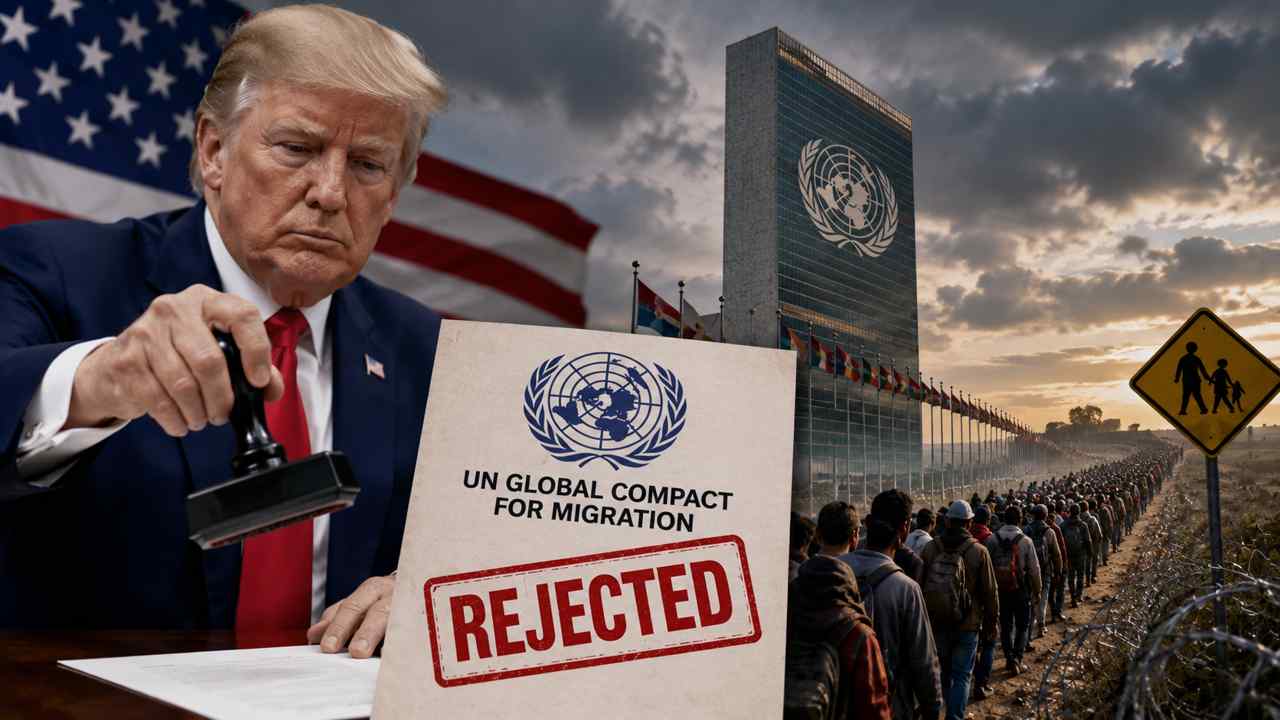
The Trump administration is once again drawing a hard line on immigration, this time by rejecting a United Nations migration framework it says could fuel “mass migration” and weaken U.S. border control. The move adds another layer to an already aggressive immigration agenda taking shape ahead of a heated political season.
Administration officials argue that decisions involving immigration policy should stay firmly in American hands, not international organizations. Supporters see it as a sovereignty issue, while critics warn the decision could hurt global cooperation on migration and humanitarian challenges.
The announcement also lands at a moment when border security, deportations, and asylum policies are dominating headlines across the country. With immigration quickly becoming one of the biggest political flashpoints of 2026, this latest step is likely to intensify an already fierce national debate.
What Is the UN Migration Pact?
The United Nations migration pact, formally known as the Global Compact for Safe, Orderly and Regular Migration, was created as a nonbinding framework aimed at improving international cooperation on migration issues. Supporters say it helps countries coordinate on border management, labor migration, and migrant protections without overriding national laws.
But the Trump administration said the agreement was sending the wrong message at a time when border security and rising migration pressures were already being faced by many Western countries. In a strongly worded statement, it was argued by the State Department that “mass migration was never safe,” and it was claimed that large-scale migration had created security, financial, and social pressure in several countries.
Officials also stressed that immigration policy should remain fully under U.S. control, not influenced by international bodies. While the U.N. describes the compact as voluntary and respectful of national sovereignty, the administration says it will not support frameworks it believes could normalize or encourage expanded migration flows into the United States and other Western nations.
Why the Trump Administration Is Rejecting It
The White House says the decision comes down to one core issue: control over U.S. immigration policy. Administration officials argue that global migration frameworks should never influence how America secures its borders or decides who can enter the country.
According to statements highlighted by officials, the administration believes “mass migration” has created growing economic and security pressures in several countries. The concern, they say, is that international agreements may gradually push nations toward looser migration policies.
The Administration’s Main Concerns:
Protecting U.S. sovereignty over immigration decisions
Supporting tougher border enforcement policies
Rejecting international influence on domestic migration laws
Aligning with Trump’s broader “America First” agenda
Global Briefing
Get the week's most critical immigration news and policy analysis directly in your inbox.
Sending a stronger message on illegal immigration and border security
The move also fits into a wider immigration crackdown already underway, including expanded deportation efforts, tighter asylum rules, and increased pressure on sanctuary jurisdictions.
Reactions From Immigration Advocates and Critics
Immigration advocates quickly pushed back against the administration’s decision, arguing that global migration challenges require international cooperation rather than countries acting alone. Some advocacy groups warned the move could weaken humanitarian protections for migrants and asylum seekers.
Critics also say the U.N. framework is nonbinding, meaning it does not force the United States to change its immigration laws. Supporters of the pact believe cooperation between countries is important as migration pressures continue rising worldwide.
Still, Trump allies argue the administration is prioritizing border control and national interests at a time when immigration remains one of the most divisive political issues in the country.
How This Fits Into Trump’s Broader Immigration Agenda
The administration’s rejection of the U.N. migration declaration is part of a much larger immigration crackdown already underway across the country. Since returning to office, President Trump has pushed tougher border enforcement, expanded deportation efforts, and tightened asylum access as part of his broader “America First” agenda.
In its statement, the State Department argued that recent migration waves created “security threats” and “financial strains” for Western nations, while also accusing some U.N. agencies of promoting policies that encourage large-scale migration. Officials said the U.S. would not support international frameworks that could “constrain” America’s ability to control its own immigration system.
The decision also comes as immigration continues dominating political debate ahead of the 2026 election cycle. Supporters see the move as a firm stand on sovereignty and border security, while critics argue it further distances the U.S. from international cooperation on migration and humanitarian policy.
What Happens Next?
The decision does not immediately change U.S. immigration law, but it sends a strong political signal about the administration’s direction on border and migration policy. More debate is expected as immigration continues taking center stage in Washington and on the campaign trail.
International organizations and immigrant advocacy groups are also likely to keep pressuring the administration over humanitarian concerns. At the same time, Trump allies are expected to use the move to reinforce arguments for stricter border enforcement and tighter immigration controls moving forward.
Final Take
The Trump administration’s rejection of the U.N. migration framework shows just how central immigration has become to the country’s political battle lines. As border security and migration pressures continue dominating headlines, the divide over how America should handle immigration is only growing sharper.