What New U.S. Visa Restrictions Could Mean for H-1B Workers and Students
New U.S. visa restrictions could create uncertainty for H-1B workers and international students, particularly around travel, renewals, and future employment plans. Immigration experts say applicants may need to prepare for additional scrutiny and delays.


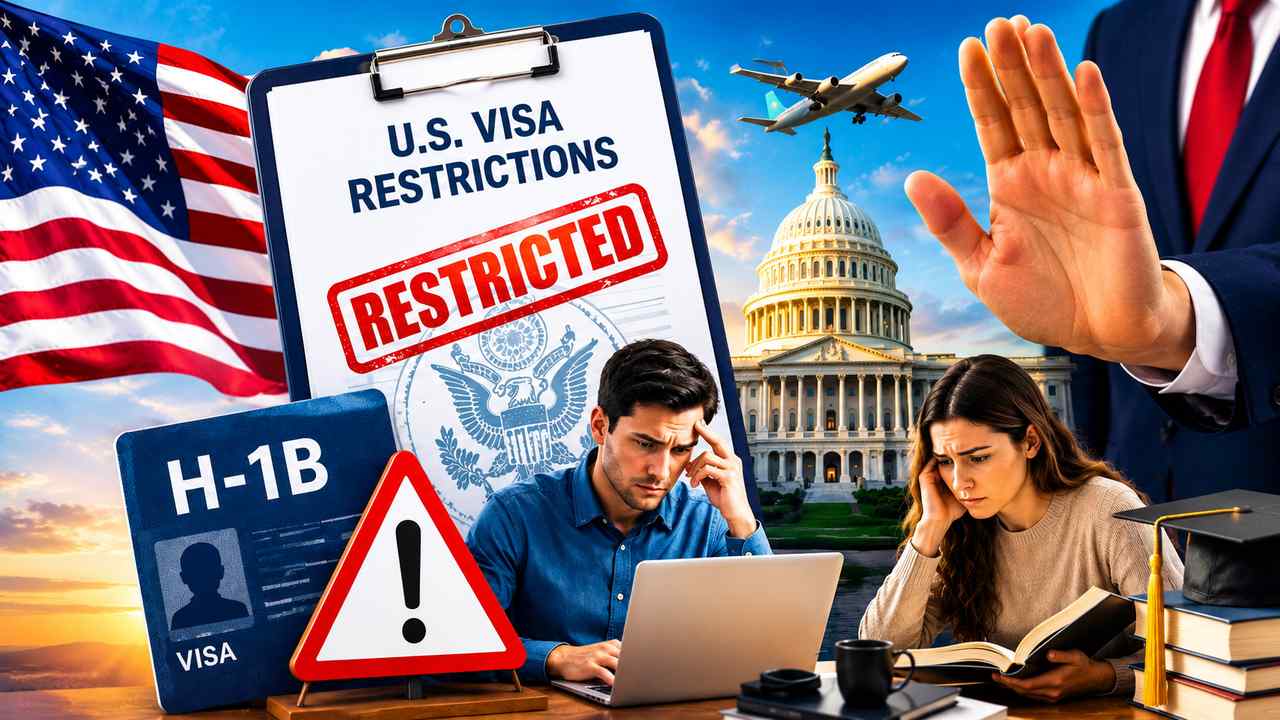
A growing sense of uncertainty is spreading among international students and skilled foreign workers as the United States moves toward tighter visa oversight and stricter immigration checks. For many H-1B employees and F-1 students, even small policy shifts can directly affect careers, travel plans, and long-term goals in America.
While the new restrictions are not a complete shutdown of legal immigration pathways, they could lead to tougher scrutiny during visa approvals, renewals, and job transitions. Immigration lawyers and employers say the biggest concern right now is not just the rules themselves — but also the unpredictability surrounding them.
For thousands hoping to study or work in the U.S., the message feels clear: the immigration process may soon become more demanding than ever.
What Are the New U.S. Visa Restrictions?
The latest immigration measures coming out of Washington are causing new concerns for anxiety for both skilled workers and international students. While officials say the goal is to improve compliance and national security, many applicants fear the process could become slower, stricter, and far more unpredictable.
Recent changes and policy discussions have focused around tighter background checks, closer review of employer documents, increased scrutiny during visa interviews, and stricter monitoring of student status compliance. Immigration attorneys also expect more Requests for Evidence (RFEs) for H-1B petitions, especially in industries that heavily depend on foreign talent.
Another growing concern is visa processing delays at U.S. consulates abroad. Workers traveling home for stamping appointments and students preparing for upcoming semesters worry that even routine approvals may now face additional questioning or administrative reviews.
For many families, the uncertainty itself has become the biggest issue. People who once viewed the H-1B or student visa process as complicated but manageable are now preparing for a system that could demand more paperwork, longer waiting periods, and fewer mistakes along the way.
What Are the New U.S. Visa Restrictions?
The latest U.S. immigration measures are creating new concerns among H-1B workers and international students. Many fear the visa process could soon become slower, stricter, and harder to predict.
Officials are reportedly focusing on tighter background checks, tougher document reviews, and increased scrutiny during visa interviews. Immigration experts also expect more Requests for Evidence (RFEs) and longer processing timelines.
For many applicants, the uncertainty is becoming just as stressful as the rules themselves.
Why H-1B Workers Are Concerned
For H-1B workers, even small immigration policy changes can create major career uncertainty. Many foreign professionals already deal with long processing times, visa renewals, and strict job requirements.
A stricter review system could make job switches, extensions, and overseas travel more complicated. Workers fear that additional scrutiny may increase delays or trigger unexpected requests for extra documentation.
The concern is especially strong in the tech industry, where thousands of skilled employees depend on the H-1B program to continue working in the United States.
Global Briefing
Get the week's most critical immigration news and policy analysis directly in your inbox.
What It Could Mean for International Students
International students are also watching these developments closely, especially those planning to use OPT or transition into H-1B jobs after graduation. Many now worry that stricter visa reviews could affect internships, work authorization, and future employment opportunities.
According to immigration policy discussions highlighted by analysts and attorneys, some proposed measures could place tighter limits on post-study work programs and increase scrutiny for student visa holders. Experts say the broader message coming from Washington points toward a more restrictive immigration environment overall.
For students already investing heavily in a U.S. education, the fear is no longer just about getting admitted, it is about whether long-term career plans in America will remain realistic.
Employers and Universities Could Feel the Impact Too
The ripple effects of tighter visa rules may not stop with immigrants alone. U.S. companies and universities that rely heavily on international talent could also face growing challenges in the months ahead.
Many tech firms depend on H-1B professionals to fill high-demand roles, especially in engineering, software development, and AI-related fields. If hiring becomes more difficult or visa approvals slow down, businesses may struggle to fill critical positions quickly.
Universities are also paying attention, as international students contribute billions to the U.S. economy and support research programs across the country. A tougher immigration climate could make some students reconsider studying in America altogether.
Immigration Attorneys Warn About Uncertainty
Immigration attorneys say the biggest concern right now is the lack of clarity around how aggressively new restrictions could be enforced. Even without a formal overhaul of the visa system, stricter reviews alone can create delays and confusion for applicants.
Lawyers are advising H-1B workers and students to keep immigration records updated, avoid unnecessary travel during pending applications, and prepare for possible documentation requests. Many are also encouraging applicants to stay informed as federal agencies release new guidance.
For families planning their future in the United States, the uncertainty surrounding immigration policy has become impossible to ignore.
Final Take
The United States is not shutting down legal immigration, but the tone around visa policies is clearly becoming more restrictive. For H-1B workers and international students, that shift alone is enough to create concern about jobs, education, and long-term stability.
While many of the proposed measures are still developing, experts say applicants should expect closer scrutiny and a more demanding process moving forward. Employers, universities, and immigrant families are now waiting to see how future USCIS and State Department decisions could reshape opportunities in America.
The information on this page is for general informational and educational purposes only. It does not constitute legal advice and should not be relied upon as such. Immigration laws and policies change frequently. Always consult a licensed immigration attorney or accredited representative before making any immigration decisions.
Last Updated: [20 June 2026] — This article reflects information available as of [20 June 2026]. Policies may have changed. Check USCIS.gov for the most current guidance.