What DHS’s New Visa Status Proposal Could Mean for International Students
A new DHS proposal could significantly change how F-1 and J-1 student visa status is managed in the United States. International students and exchange visitors may face stricter timelines, compliance requirements, and status monitoring.


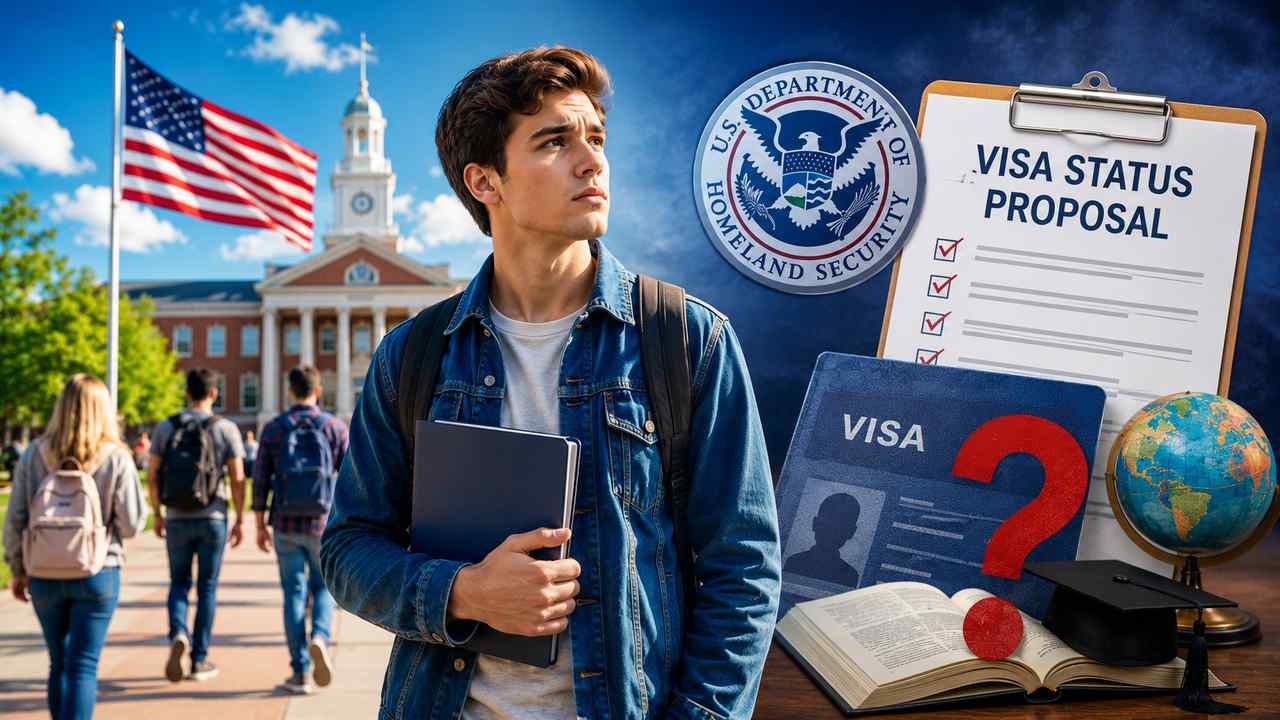
For many international students in the United States, a visa is more than just a travel document, it’s the key to staying in school, working legally, and building a future. That’s why a new proposal from the U.S. Department of Homeland Security (DHS) is starting to draw serious attention across campuses and immigration circles.
The proposed changes could reshape how student visa status is monitored and maintained, especially for F-1 visa holders. While officials say the goal is to tighten oversight and improve compliance, critics worry the rules may add more pressure and uncertainty for students already dealing with strict immigration requirements.
With thousands of students depending on their visa status every semester, even a small policy shift could have a big real-world impact.
What Is the DHS Visa Status Proposal?
The DHS proposal focuses on changing how international students maintain their legal immigration status while studying in the United States. Under the current system, many F-1 students are allowed to stay in the country for the “duration of status,” meaning they can remain as long as they continue meeting academic and visa requirements.
The proposed approach could replace that flexibility with a fixed visa period, requiring some students to apply for extensions more frequently. Immigration experts say this may lead to additional paperwork, processing delays, and closer monitoring of students throughout their academic stay.
For students already balancing tuition, deadlines, and career planning, the possibility of stricter visa tracking is becoming a growing concern.
DHS Moves to End Duration of Status for F-1, J-1, and I Visa Holders
A growing number of immigration experts believe the proposal could become one of the biggest changes to the student visa system in decades. One warning circulating among policy observers is that “most international students do not yet realize what is coming,” especially if the long-standing “duration of status” system is replaced with fixed visa timelines.
Why this is drawing attention:
More visa extension filings: Students may need repeated approvals to remain in the U.S.
USCIS workload concerns: Critics warn the immigration system is already facing major case backlogs and longer processing times.
Uncertainty for students: Experts say international students may now need to plan more cautiously around studies, travel, and work opportunities.
Pressure on universities: Schools could face heavier compliance and reporting responsibilities.
Some immigration analysts argue the change could alter how students view the United States as a study destination, with uncertainty increasingly becoming part of the decision-making process.
Why DHS Says the Changes Are Needed
Federal officials say the proposal is meant to improve monitoring within the student visa system and reduce cases where students overstay or violate their visa status. DHS has also said that stricter tracking could help immigration agencies better understand whether students are following visa rules properly.
Supporters of tighter rules believe the current system leaves too much room for confusion, especially when students change schools, extend programs, or participate in training opportunities like OPT. The government’s position is that a more structured process could create clearer timelines and stronger accountability.
Still, critics say the changes may end up creating more administrative hurdles than actual solutions.
Concerns Raised by Students and Universities
The proposal is already raising questions among international students, colleges, and immigration lawyers. Many fear that stricter visa timelines could make studying in the U.S. more stressful and unpredictable than it already is.
Main concerns being discussed:
More paperwork: Students may need to apply for extensions or renewals more often during their studies.
Processing delays: Any delay in approvals could affect enrollment, internships, or graduation timelines.
Risk of accidental violations: Missing a deadline or filing issue could put a student’s legal status at risk.
Travel uncertainty: Students traveling abroad may face extra scrutiny when returning to the U.S.
Pressure on universities: Schools may have to increase compliance monitoring and reporting requirements.
Global Briefing
Get the week's most critical immigration news and policy analysis directly in your inbox.
Some education groups also worry that tougher visa rules could discourage talented international students from choosing American universities in the future.
USCIS Proposes Changes for Student Visas and Major AR-11 Update
Alongside the broader visa status proposal, USCIS is also considering significant updates to Form AR-11 — the change-of-address form used by noncitizens living in the United States. According to legal analysis published by JD Supra, the proposal could require stricter and faster address reporting rules for F-1, J-1, and other visa holders, increasing the importance of keeping immigration records accurate and up to date.
Why the AR-11 update matters:
Closer monitoring: Students may face tighter tracking of residential and school address changes.
Faster reporting expectations: Missing deadlines or failing to update records could create compliance risks.
More administrative pressure: Universities may need to help students navigate additional reporting responsibilities.
Higher stakes for errors: Even minor filing mistakes could lead to immigration complications.
Immigration attorneys say the proposed changes show how DHS and USCIS are moving toward a more closely monitored visa system, where timely reporting and documentation may become more critical than ever for international students.
Potential Impact on International Students
If implemented, the DHS proposal could change how international students plan their education, travel, and career paths in the United States. While the full details are still being debated, many students are already watching the situation closely.
Here’s where the impact could be felt most:
Academic planning: Students in long-term degree programs may face added uncertainty over visa renewals.
Internships and OPT: Delays in status approvals could affect work authorization opportunities tied to Optional Practical Training (OPT).
Travel decisions: Some students may avoid international travel over fears of visa complications or re-entry issues.
Financial pressure: Extra filing fees, legal support, and documentation could increase overall study costs.
Career confidence: Students hoping to build careers in the U.S. may feel less secure about their long-term plans.
Immigration attorneys say even small procedural changes can have major consequences when students are working under strict deadlines and immigration rules.
What Happens Next?
At this stage, the proposal has not become final policy, meaning the rules could still change before any nationwide rollout. DHS is expected to move through a review process that may include public feedback, legal analysis, and implementation planning.
Immigration experts say universities and students should closely monitor official updates from DHS and USCIS in the coming months. Any final version of the policy could take time to fully implement, especially if legal challenges or public opposition emerge.
For now, international students are being advised not to panic — but to stay informed and prepared as the discussion around visa status rules continues to evolve.
Final Take
For international students, visa policies are not just immigration rules on paper — they directly shape education plans, career goals, and everyday life in the United States. That’s why the DHS proposal is drawing attention far beyond legal circles.
Whether the changes move forward or not, the debate highlights how closely students’ futures can depend on immigration policy decisions. As discussions continue, many will be watching to see whether the final approach balances security concerns with the realities faced by students studying far from home.
The information on this page is for general informational and educational purposes only. It does not constitute legal advice and should not be relied upon as such. Immigration laws and policies change frequently. Always consult a licensed immigration attorney or accredited representative before making any immigration decisions.
Last Updated: [20 June 2026] — This article reflects information available as of [20 June 2026]. Policies may have changed. Check USCIS.gov for the most current guidance.